
CashtoCode casinos serving Australian players in 2026: how the eVoucher works, which offshore sites list it, and why the law still says no
Someone searching for an Australian casino that takes CashtoCode is usually trying to solve one practical question: which offshore pokies-style site accepts this particular prepaid voucher, and what does the deposit experience actually look like once the code is in hand. The honest answer is more layered than the search suggests. The voucher itself is a real product, sold across tens of thousands of retail outlets and online, and dozens of offshore operators do list it as a deposit option. What the search result rarely surfaces is that the same activity the search is asking about, online casino games offered to an Australian resident, is prohibited under the Interactive Gambling Act 2001. The voucher works; the law the player sits under says the casino offering the games cannot lawfully provide them. This page works through both halves, and keeps them in the order they matter.
Data current as of 30 October 2026, checked against the Australian Communications and Media Authority’s published formal warnings register and the regulator’s own blocking notices.
Table of Contents
- How CashtoCode actually works as a casino deposit
- Why the Australian rulebook says none of this is legal for the player
- Where the ACMA has already acted: the warnings register as the operator list
- Responsible gambling infrastructure that does and does not reach the player
- Paying in, paying out: the rail CashtoCode fits into
- The brands the ACMA has warned, and what each one still represents for the reader
- The reading the page leaves the reader with
- Frequently asked questions
How CashtoCode actually works as a casino deposit
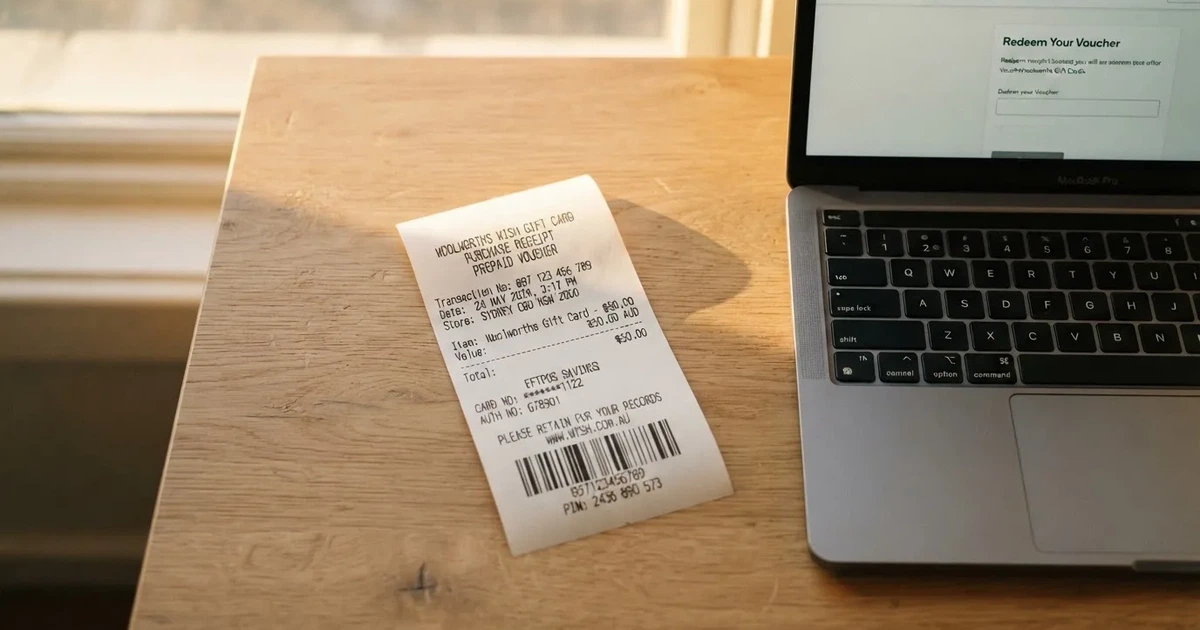
A CashtoCode eVoucher is a 20-digit code, sold at convenience stores, service stations and online resellers in more than 25 currencies. The product has been on the market since 2013, and the brand sits with Eightball Marketing Services LLC. It needs no name, no bank account and no card to buy or to redeem; the customer pays cash (or its online equivalent) for a code, walks into a casino cashier, types the 20 digits in, and the deposit lands in the casino balance. The official CashtoCode site explicitly markets itself to gambling operators — Pragmatic Play, Evolution, NetEnt and Playtech are listed in the catalogue as payment partners — which is why so many offshore casinos show the option.
What the same site also states, and what the marketing tends to skip past, is that the eVoucher is deposit-only. There is no CashtoCode withdrawal option. A player who deposits A$50 via CashtoCode still has to pick a second method to cash out: a bank transfer, an e-wallet, sometimes a card. The voucher is also free of charge to the customer at the point of sale — the buyer pays face value and any unused balance keeps its full value, with no usage fees. Those two conditions together do real work: a free, anonymous deposit rail with no payout counterpart is a payment product purpose-built for one-way funding, and the offshore casino market is the largest single customer for that shape.
The practical experience at the cashier is straightforward. A player opens the deposit screen, chooses CashtoCode, picks a denomination from a dropdown that usually starts at A$10 and rises to A$250 or A$500 depending on the site, and is handed a barcode or a list of nearby resellers. Paying in cash at the reseller generates the 20-digit code; paying online generates it on screen. The casino credits the deposit once the code is entered, and the receipt lives in the player’s account as a transaction reference. There is no charge from CashtoCode for the transaction, but the casino may impose its own minimum and maximum — the A$10 floor is the common case across the sites that list the option.
That last figure matters more than it looks. A A$10 deposit is the threshold below which an offshore casino tends to lose interest in the customer; below it, the bonus economics don’t pay for the onboarding cost. The sites that list CashtoCode at A$10 are deliberately opening the door to a small first deposit, which is also the deposit size a casual player is most likely to make before doing anything that would register on a bank’s own transaction monitor.
Why the Australian rulebook says none of this is legal for the player
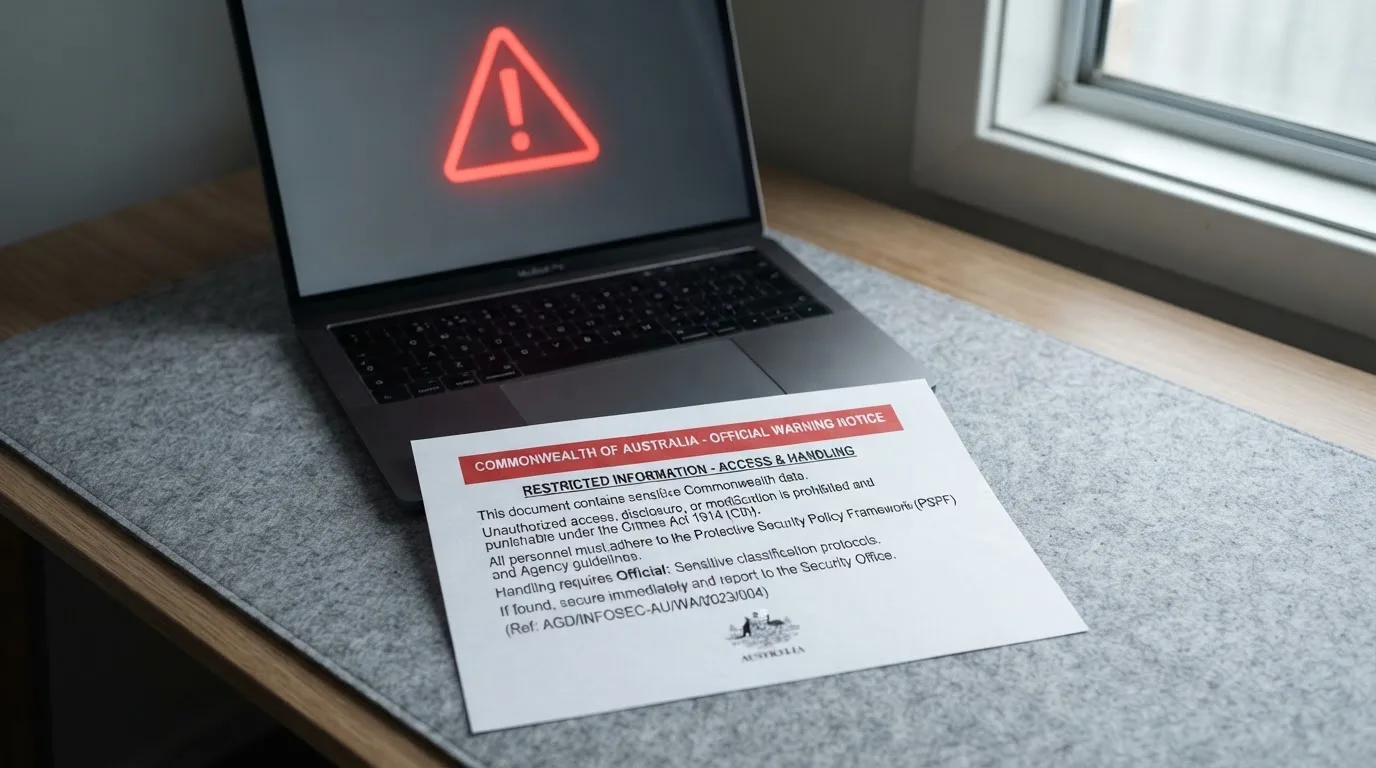
Australia’s Interactive Gambling Act 2001, tightened by the Interactive Gambling Amendment Act 2017, makes it a criminal offence to supply online casino games, online pokies or in-play betting to a person physically in Australia. The provider is the target of the law, not the player — no Australian has been prosecuted for placing a bet with an offshore operator — but the practical consequence is identical from the player’s point of view: no state or territory issues a licence for an online casino product, which means no offshore casino offering pokies or table games to Australians can do it under any licence it cares to display.
What is licensable is online wagering on racing and on pre-match sport, lotteries and keno, in practice licensed by the Northern Territory Racing and Wagering Commission (NTRWC), which regulates 52 of Australia’s online bookmakers including Sportsbet, Bet365 and Ladbrokes. The NTRWC runs without full-time staff and meets monthly in Darwin, which is itself a fact worth sitting with: the body that holds the country’s only meaningful bookmaker licences is a part-time commission in one territory. The actual casino product — the thing an offshore CashtoCode casino is selling — has no Australian licence to hold at all.
That legal ceiling is also why every Australian-facing offshore casino is in a particular kind of regulatory conversation. The Australian Communications and Media Authority (ACMA) investigates, issues formal warnings, and directs Australian internet service providers to block illegal sites. The player who uses one is not the target; the operator is. But the operator carries no Australian consumer protection either: no local complaints body, no recourse if a withdrawal is refused, no guarantee that the site is still reachable next week. The ACMA blocking total reported in June 2026 was 1,751 illegal gambling and affiliate marketing websites blocked since the first blocking request in November 2019, with more than 230 unlicensed services having left the Australian market since enforcement was strengthened in 2017. A player whose balance sits behind a block has no path to it.
The losses to the illegal side are not small. H2 Gambling Capital’s 2026 estimate put Australians’ annual spend on illegal gambling sites at roughly A$3.9 billion, with the share of gambling routed through legal channels falling from 74% in 2021 to 64% — a ten-point drop in four years that maps neatly onto the rise of the offshore CashtoCode-friendly product.
There is one further layer: the Interactive Gambling Amendment (Gambling Reform) Bill 2026 passed Parliament on 19 August 2026, and its advertising and inducement measures commence on 1 January 2026. Law with a start date, not yet in force on this page. Once live, those measures will constrain the way offshore casinos market into Australia, which is a different conversation from whether the player can deposit via CashtoCode today. What the 2026 page describes is the present.
Where the ACMA has already acted: the warnings register as the operator list
A search for “casinos that accept CashtoCode Australia” returns marketing pages listing brand after brand. The ACMA’s formal-warnings register returns the same brands, but with a different verb. The register is the closest thing Australia has to a public list of offshore casinos that have been formally found to be offering prohibited services to Australians, and every operator on this page is one the ACMA itself has named. The product is prohibited; the warning register is the way the regulator communicates that.
The block-rate the regulator has run since 2017 is the single statistic that gives the picture its scale. As reported in June 2026, the ACMA’s total reached 1,751 blocked sites across roughly seven years, an average blocking rate across the running period of roughly 250 sites per year, or about one site for every working day. In a single round alone on 26 June 2026, the ACMA asked Australian ISPs to block 12 more: 7Signs, ChromaBet, Donbet, Duospin, Freshbet, Slots Gem, Jacks Club, Lucky Start, Pointsbetz.com, Spinrise, Vinyl Casino and Wildsino. Twelve names, one notice, one set of ISPs acting on it. A player who picked any of those twelve from a CashtoCode deposit list on the day the notice was published would have found the cashier page unreachable within hours.
What the operator list below actually is, then, is not a ranking and not a recommendation. It is the register of brands the ACMA has already acted against, with the date and the named operator each warning carried. The page does not endorse any of them; it sets them out because the reader arrived looking for them and the regulator has already spoken about each one. The angle this page takes — consequence, what follows and when — runs straight through this list. A “consequence” reading of an offshore casino is the ACMA warning: that is what has followed, and a further blocking notice is what can follow next.
The table below uses the ACMA’s own published operator name and date. Where a brand has been the subject of more than one warning across different operators or different years, the table carries both — the ACMA’s repeated naming of a brand across operators is itself part of the consequence.
The ACMA’s record against the offshore CashtoCode-accepting field
The table sets out the brand, the ACMA action taken and its date, the operator the ACMA named, and what public sources show about the brand’s support for CashtoCode as a deposit method. Where the public sources carry no figure, the cell carries the em-dash no-data marker — the page does not invent a value the research did not turn up.
| Brand | ACMA action and date | Operator named by the ACMA | CashtoCode support |
|---|---|---|---|
| RocketPlay | Formal warning, March 2026 | Pulsup Ltd (Rocketplay.com.au) | — |
| Level Up Casino | Formal warning, May 2022 | Dama N.V. | Listings-only |
| Woo Casino | Formal warning, March 2025 | Dama N.V. | — |
| Spirit Casino | Formal warning, May 2025 | Dama N.V. | — |
| National Casino | Formal warning, July 2025 | Consolutetish S.R.L. | Listings-only |
| Bizzo Casino | Formal warning, July 2025 (earlier 2022) | Consolutetish S.R.L. (earlier TechSolutions) | — |
| Ignition Casino | Formal warning, July 2025 | Bamboo Media | — |
| Instant Casino | Formal warning, February 2025 | EOD Code SRL | Listings-only |
| Jackbit | Formal warning, April 2026 | Ryker B.V. | — |
| Casino Intense | Formal warning, April 2025 | Sterplay Holding Ltd | Listings-only |
| Sky Crown | Formal warning, September 2022 | Hollycorn N.V. | — |
A note on the listings-only column. Where the table reads “Listings-only”, it means public payment-method directories or aggregator pages mention the brand alongside CashtoCode as a deposit option; the brand’s own cashier page was not reachable or did not confirm the option at the time the research was done. The page does not present that as the operator’s own fact. Where the column carries the em-dash, the research found no source for the claim either way, and the brand is described only by its ACMA action, named operator, and warning date.
The pattern in the operator column is the part the table is built to surface. Eleven brands, nine distinct operators behind them. Dama N.V. alone sits behind four of the eleven — RocketPlay, Level Up Casino, Woo Casino and Spirit Casino — across a four-year warning span that begins with the May 2022 action and continues into 2025. A single operator group, warned, continuing to operate new brands and being warned again on each one, is itself a consequence the page is built to make visible. Hollycorn N.V. appears once in the table, but Sky Crown and Blue Leo were the subject of a single formal warning; the wider Hollycorn portfolio sits behind the same operator on the same day. The Dama pattern is the more striking case, and the table is what carries it.
The dates matter in a second way. Five of the eleven warnings were issued in 2025 or 2026. The regulator’s pace has not slowed; it has tightened. A reader picking a CashtoCode-accepting site today is picking from a set the ACMA has been warning against more recently, not less.
The warning record in one paragraph
The CashtoCode-accepting offshore casino market and the ACMA’s formal-warnings register overlap almost entirely. The regulator’s standing list of named brands is the closest public proxy for “the brands a CashtoCode search returns”, because those are the brands that have been confirmed as offering prohibited services to Australians and that accept the kind of payment rail — prepaid, no personal details — that a player under Australian rules would use. The list above is eleven brands long. Each has been formally warned. Each operates offshore. None holds an Australian licence, because none can.
Responsible gambling infrastructure that does and does not reach the player
Australia’s responsible-gambling infrastructure has been built around the licensed side of the market, and the offshore CashtoCode casino sits outside almost every piece of it.
BetStop, the National Self-Exclusion Register, has been live since August 2023 and binds every Australian-licensed online and phone wagering service. A punter who registers with BetStop is locked out of Sportsbet, Bet365, Ladbrokes and the other NTRWC-licensed bookmakers for the period they choose. An offshore casino is not connected to BetStop, because it is not an Australian-licensed service. Self-exclusion on the offshore side is whatever the casino’s own responsible-gambling page says it is, and there is no Australian body that audits that page. The consequence: a player who wants out of Australian licensed wagering has a national tool that works; a player who wants out of offshore CashtoCode casinos has only what each site chooses to offer, and a different site the next morning.
The National Gambling Helpline — 1800 858 858 — is free, runs 24/7, and connects to Gambling Help Online, which has a live chat. Both services are run for the Australian market and accept calls from anyone in Australia, including people whose gambling has moved offshore. The helpline is the one piece of responsible-gambling infrastructure that reaches the offshore-CashtoCode player directly, and a reader who feels the search for a CashtoCode casino has become a problem they cannot manage alone has that number to call.
Australian banks offer a complementary control layer that does reach the offshore side, at least partly. NAB, Commonwealth Bank, Westpac and St George let credit and debit cardholders self-activate a gambling transaction block through their banking app; once requested, the block is usually applied immediately, with lifting taking up to two business days. Westpac’s block works at the card-network level, declining transactions registered under the merchant category code “Betting/Casino Gambling” on eligible personal credit and debit cards. ANZ’s block extends to digital-wallet transactions on an eligible card, so Apple Pay or Google Pay funded from an ANZ card is declined at the gambling merchant too. Removing the ANZ block requires a 48-hour waiting period, and the bank warns that not all gambling transactions will be blocked and some non-gambling transactions might be blocked in error. A player who self-excludes via their bank app is choosing a stronger control than the offshore casino’s own page offers, and it covers all the gambling merchants the card touches — not just the one site the player happened to be on. CashtoCode, being cash-funded at a reseller, sits in front of those card-level controls entirely. A player who wants the bank block to bite has to fund the voucher from cash, not from a card.
The minimum age to gamble in Australia is 18. That age rule applies to the licensed side; it is also the rule an offshore operator will quote on its own responsible-gambling page. Whether the rule is enforced at the offshore cashier is a different question, and one the ACMA’s enforcement record does not address. The consequence is one the player carries alone.
Paying in, paying out: the rail CashtoCode fits into
CashtoCode is one rail in a wider Australian payments map that has been reshaped by the credit-ban and the rise of the New Payments Platform.
The credit-card ban and what it left standing
From 11 June 2024, Australian online wagering service providers have been banned by law from accepting credit cards, credit-linked digital wallets or digital currencies as payment — a requirement enforced by the ACMA with penalties of up to A$247,500 for non-compliance. The ban applies to the licensed side: an Australian-licensed bookmaker cannot take a credit-card deposit. The offshore CashtoCode casino is not an Australian-licensed wagering provider and the ban does not, in the strict legal sense, bind it. What it does is close the credit-card route for the punter who wanted to use one in any case, and pushes that punter towards either a debit card, a prepaid voucher, a bank transfer, or an e-wallet.
CashtoCode sits in this map as the prepaid option. It is not a credit product, so the credit-ban does not catch it; it is not a digital currency, so the crypto ban does not catch it; and it is not a card at all, so the bank-level gambling blocks that work through card merchant-category codes do not catch it either. That is the structural reason the offshore casino market lists CashtoCode as prominently as it does, and it is also the reason an Australian player looking at the cashier page is being steered towards a payment rail that sits outside the Australian bank’s reach. The same design that makes the voucher attractive to the player — no card, no name, no friction — is what makes it harder for the Australian player to block themselves out of the activity later.
The instant-payment rail that does carry a name
Osko, run by Australian Payments Plus (AP+), lets a bank transfer between participating Australian banks arrive in under a minute, 24/7 including weekends, addressed to a BSB and account number or to a PayID. By April 2025 more than 25 million PayID identifiers had been registered on Australia’s New Payments Platform, and PayID-based instant transfers are available at over 100 Australian financial institutions. The New Payments Platform itself went live to the public on 13 February 2018 and is owned by a non-profit company whose shareholders include the Reserve Bank of Australia and the country’s major banks. Participants must keep monthly platform outages to no more than two minutes, which is the operational ceiling the industry has agreed to live under.
PayID is the visible half of the rail: paying to a PayID shows the name of the account holder before the transfer is sent. AP+ warns that being asked to transfer money to a PayID on an illegal gambling site almost certainly means a scam site — a warning that matters because it is the platform itself telling the punter what to look for. A player sending A$50 via Osko to a PayID that resolves to a name nothing like the casino brand is, in AP+’s own reading, looking at a scam. The CashtoCode deposit does not surface this signal because there is no PayID involved.
AUSTRAC’s threshold-transaction-report rule — the one that requires reporting of transfers of A$10,000 or more — applies only to physical cash. Ordinary electronic bank transfers are not subject to that per-transaction reporting requirement, regardless of the amount sent. A player wiring A$5,000 to an offshore casino via Osko triggers no AUSTRAC report by virtue of the wire alone. That is a feature of the rail, not a recommendation. The same wire, A$10,000 or more in physical currency to a CashtoCode reseller, sits on the other side of the threshold.
Cards, wallets, and what the merchant surcharging debate does not touch
The Reserve Bank of Australia’s July 2025 review proposes removing surcharges only on eftpos, Mastercard and Visa card transactions, leaving American Express outside the proposed surcharge ban — Amex being a three-party scheme that issues cards and processes transactions itself, rather than the four-party network Visa and Mastercard run. Apple Pay itself adds no fee to the consumer: any surcharge is the merchant’s own card-processing cost. Apple also states that transaction limits and PIN requirements for Apple Pay purchases are set by the card issuer or merchant, not by Apple — the wallet inherits the rules of the card behind it, including any gambling block the bank has applied.
By the end of 2025, Apple Pay, Google Pay and Samsung Pay transactions together accounted for around 45% of all card payments in Australia by number — a mobile-wallet share large enough that a casino cashier that does not show at least one of them is leaving that share on the table. The credit-ban, however, runs through credit-linked digital wallets as well, so an Apple Pay transaction funded from a credit card is in scope of the ban in the licensed market. The offshore CashtoCode site is the casino that benefits from the gap the credit-ban leaves: the ban has closed credit, and the gap that remains is prepaid, anonymous, and bank-network-invisible.
The withdrawal the deposit cannot match
CashtoCode is deposit-only. There is no CashtoCode payout rail. A withdrawal at an offshore casino typically flows through one of three: a bank transfer (Osko or PayID if the casino is set up for it, otherwise a SWIFT wire that takes one to five business days), an e-wallet (Skrill, Neteller, MiFinity), or a card reversal. The deposit lands in seconds via the 20-digit code; the withdrawal waits for the casino’s own manual checks, which sit outside any Australian regulator’s view. A withdrawal request at an offshore casino that the casino declines on a rule the player never read is the practical risk of the product, and it is the risk the prepaid voucher cannot solve because the voucher never reaches the payout screen.
The brands the ACMA has warned, and what each one still represents for the reader
The eleven brands below are the CashtoCode-accepting (or CashtoCode-listed) offshore operators the ACMA has formally warned for offering prohibited services to Australians. Each is described on its own field, and each closes with a verdict that is the page’s own reading of what the brand still represents in 2026. The verdict is not a recommendation — there is no recommendation on this page; offshore casinos cannot lawfully serve an Australian player — but it is the part that names what choosing this brand, in light of the ACMA’s action, actually means for the punter sitting in front of the cashier.
RocketPlay — a brand with two ACMA warnings behind it
RocketPlay is the most recent entry on the register and the one with the longest ACMA paper trail. The ACMA issued a formal warning to Pulsup Ltd over Rocketplay.com.au in March 2026, and an earlier warning to Dama N.V. covered Rocketplay among six brands in May 2022. Two warnings, four years apart, against different operators for the same brand surface: the brand moved between operators and the regulator’s view of the conduct did not change. This entry records the ACMA actions, as public sources offer no clear verification of current CashtoCode availability.
What RocketPlay represents in 2026 is a brand whose product the ACMA has called prohibited twice across two operator shells. A punter who arrives at the cashier is, in the regulator’s own published view, arriving at a site that has been told to stop doing what it is doing. The site being reachable today says nothing about its reachability next month.
Level Up Casino — the original Dama N.V. warning line
Level Up Casino was one of six Dama N.V. brands the ACMA named in its May 2022 formal warning — Bambet, Dazard, Level Up, Rocketplay, Wild Tornado and Cobra Casinos. The 2022 warning was the regulator’s first round at the Dama portfolio, and Level Up was on it from the start. Public payment-method directories mention Level Up alongside CashtoCode as a deposit option; the brand’s own cashier page did not confirm the option in the research window, so the support is recorded as listings-only.
Level Up’s reading in 2026 is the operator behind it. Dama N.V. has been warned again since — over Woo Casino in March 2025 and Spirit Casino in May 2025 — so the operator the ACMA warned about in 2022 is the operator the regulator is still having to warn. Level Up is a single brand inside that pattern, and the pattern is the larger story.
Woo Casino — the first Dama N.V. warning of 2025
Woo Casino was the subject of the ACMA’s March 2025 formal warning to Dama N.V., the first Dama-named action since the 2022 round. The three-year gap between the 2022 action and the 2025 action against the same operator is itself the signal: Dama N.V. was told, was warned, and continued to operate new brands, and the regulator returned in 2025 to name the next one. No clear evidence of CashtoCode support emerged from the research.
Woo Casino’s position in 2026 is the earliest data point on the regulator’s renewed Dama campaign. The page that follows it — Spirit Casino in May 2025 — confirms the pattern.
Spirit Casino — the second Dama N.V. warning of 2025
Spirit Casino was the subject of the ACMA’s May 2025 formal warning to Dama N.V., two months after the Woo Casino action. Two Dama warnings within a single year, against the same operator group, is the regulator’s way of signalling that the 2022 round did not settle the matter. Like several others, this brand lacks verifiable data on payment methods.
Spirit Casino’s reading is the continuation of the Woo Casino reading. A punter on Spirit in 2026 is on a brand the regulator warned the operator about earlier in the same year.
National Casino — the Consolutetish S.R.L. warning line
National Casino was named in the ACMA’s July 2025 formal warning to Consolutetish S.R.L., alongside Bizzo Casino. The two-brand warning is the regulator’s first published action against Consolutetish; no earlier Consolutetish warning appears in the register. National Casino’s CashtoCode support appears in listings only.
National Casino’s reading in 2026 is the second of two brands the regulator named on the same day against the same operator. The pairing of National and Bizzo on the Consolutetish warning is the register’s way of saying the operator is the unit of concern, not the brand alone.
Bizzo Casino — two warnings across two operators
Bizzo Casino is the brand on the list with the deepest ACMA history. The ACMA issued a formal warning to Consolutetish S.R.L. over National Casino and Bizzo Casino in July 2025, and an earlier formal warning to TechSolutions (CY) Group Limited and TechSolutions Group N.V. covered Bizzo Casino in 2022. Two warnings, two different operators, three years apart, against the same brand — and a third of the operator set sits behind the same brand across its life. No evidence of CashtoCode support exists for this operator.
Bizzo Casino’s reading in 2026 is the consequence that surfaces later. A brand that has been warned twice is not a brand the regulator has decided is fine; it is a brand the regulator has returned to, and the page that tracks the operator layer underneath shows why.
Ignition Casino — the Bamboo Media warning
Ignition Casino was the subject of the ACMA’s July 2025 formal warning to Bamboo Media, alongside the same-warning action against Consolutetish S.R.L. over National Casino and Bizzo Casino. The Bamboo Media warning is the regulator’s first published action against that operator. No payment method confirmation was found.
Ignition Casino’s reading in 2026 is the third brand the regulator named on the same day in late July 2025. Three warnings on a single day, across two operators, is the regulator’s published pace in mid-2025; the page carries the pace as well as the names.
Instant Casino — the EOD Code SRL warning
Instant Casino was the subject of the ACMA’s February 2025 formal warning to EOD Code SRL, an action that pre-dates the Consolutetish and Bamboo Media warnings by five months. Public payment-method directories mention Instant Casino alongside CashtoCode and alongside PayID as deposit options, which puts the brand on the listings-only side of the CashtoCode-support column.
Instant Casino’s reading in 2026 is an early-2025 action that sits ahead of the July 2025 cluster. The regulator’s pace through 2025 is four of these warnings before mid-year, and Instant Casino is one of them.
Jackbit — the most recent Ryker B.V. warning
Jackbit was named in the ACMA’s April 2026 formal warning to Ryker B.V., alongside CasinOK. The action is the register’s first published entry against Ryker B.V. The research did not uncover confirmation of the brand’s payment methods.
Jackbit’s reading in 2026 is a 2026-dated warning against a first-time-named operator. A brand that surfaces on the register for the first time this year is one the regulator has just reached, and the page carries the date because the date is the part that decides whether the warning is the regulator’s standing view or a recent decision.
Casino Intense — the Sterplay Holding Ltd warning
Casino Intense was the subject of the ACMA’s April 2025 formal warning to Sterplay Holding Ltd, the register’s first published action against that operator. Public payment-method directories mention Casino Intense alongside CashtoCode as a deposit option.
Casino Intense’s reading in 2026 is an early-2025 action that pairs, in the regulator’s pace, with Instant Casino’s February 2025 warning. Two single-brand warnings within three months, against two different first-time operators, is the regulator’s mid-2025 tempo.
Sky Crown — the Hollycorn N.V. warning
Sky Crown was named in the ACMA’s formal warning to Hollycorn N.V., published in September 2022, alongside Blue Leo. The warning is the register’s first published entry against Hollycorn. As with many other operators in the list, the research did not provide confirmation of CashtoCode payment availability.
Sky Crown’s reading in 2026 is the register’s earliest dated warning against a still-active operator. Three years on, Hollycorn has not been the subject of a second published warning — but the warning sits, and a punter on Sky Crown in 2026 is on a brand the regulator named three years ago and has not had to revisit.
The reading the page leaves the reader with
A search for “casinos that accept CashtoCode Australia 2026” returns a list of offshore brands. The ACMA’s register returns the same brands with a warning attached to each. The two answers look like different answers to the same question, and they are not. They are the same answer at different layers: the marketing layer says the casino exists and takes the voucher, and the regulatory layer says the casino offers a product Australian law does not let it offer. The voucher works; the activity the voucher funds is the activity the regulator has been telling the operators to stop. A reader who stays on this page past the operator list is the reader the regulator’s record is for.
Three things follow from the material above, and they are the things the page is built to make unavoidable. First, the offshore CashtoCode casino carries no Australian consumer protection — no local complaints body, no recourse if a withdrawal stalls, and a real chance that the next ACMA blocking round will close the cashier page while a balance still sits on the account. Second, the deposit rail itself is the rail the Australian consumer protections do not reach — prepaid, no card, no bank visibility — and that is the structural reason the offshore market lists it so prominently. Third, the regulator’s pace has tightened, not slowed: eleven of the warnings on the operator set above are dated 2022 or later, with five of them in 2025 or 2026, and a single June 2026 round alone added twelve new sites to the blocked list.
The licensed Australian alternative is narrow by design. Online wagering on racing and pre-match sport, through an NTRWC-licensed bookmaker, with credit cards banned since June 2024 and with BetStop available as a national self-exclusion register. Online casino games and table games are not part of that licensed alternative at all; no state or territory issues the licence. The licensed bookmaker’s product is not the product the CashtoCode search is asking about, and the page is not pretending it is. What the page is doing is naming what the offshore product costs the person paying for it, on the rail they are most likely to pay on, against the regulator that has been most direct about it.
Frequently asked questions
Is it legal for an online casino to accept CashtoCode from a player in Australia?
No online casino may lawfully provide casino games or online pokies to a person in Australia under the Interactive Gambling Act 2001, regardless of which payment method it accepts. The ACMA enforces this against the operator, not the player, but the operator carries no Australian consumer protection in any case. Offshore sites accept CashtoCode; the activity the site offers is the activity the regulator has been warning the operator about.
What is the smallest deposit a CashtoCode casino site usually asks for?
CashtoCode’s eVoucher denominations typically start at A$10 across the offshore sites that list it, rising to A$250 or A$500 depending on the operator. The voucher is free of charge to the customer at the point of sale, and any unused balance keeps its full value. The casino may impose its own minimum on top of the voucher’s denomination.
Does a CashtoCode withdrawal clear any faster than a card withdrawal at these sites?
There is no CashtoCode withdrawal. The eVoucher is deposit-only by the issuer’s own design, so a payout must use a different rail — bank transfer, e-wallet, or card reversal. The speed of that payout depends on the casino’s own manual checks, which sit outside any Australian regulator’s view, and on the rail chosen for the withdrawal.
Can CashtoCode be used at every offshore pokies-style site, or only some of them?
Only some of them. CashtoCode lists gambling providers — Pragmatic Play, Evolution, NetEnt and Playtech among them — in its catalogue, and dozens of offshore casinos integrate the eVoucher, but it is not universal. The ACMA’s formal-warnings register and the operator set above are the brands that most commonly appear together in CashtoCode-accepting search results, and each has been formally warned.
Does depositing with CashtoCode add an extra fee at these casino sites?
CashtoCode itself states the eVoucher carries no usage fee to the customer and is free of charge at the point of sale. Any fee that lands at the deposit is the casino’s own, not CashtoCode’s. Players should still check the casino’s own cashier page, because the fee policy is set by the operator, not by the voucher.
What should a player do if a CashtoCode deposit does not appear in a casino account?
First, check the transaction reference in the casino’s cashier history and the receipt issued by the reseller or online vendor — a CashtoCode deposit that has been entered correctly usually credits within minutes. If the deposit is missing, contact the casino’s support with the 20-digit code and the receipt. There is no Australian complaints body to escalate to at an offshore casino; the practical escalation paths are the card issuer (if the voucher was bought with a card) and the National Gambling Helpline on 1800 858 858 if the search for a CashtoCode casino has become a problem the player wants help managing.