
Best Pokies in South Australia 2026 — Land-Based Venues, Payout Rates and the Offshore Reality
Every “best pokies” search for South Australia lands on the same page: an offshore site that calls itself a pokies venue, slots in an Adelaide address for credibility, and asks for a deposit before the reader has read past the second screen. This page takes the opposite route. The lawful pokies in South Australia live in 471 pubs and clubs plus a single casino on North Terrace — and the offshore sites that market the same word operate outside Australian law altogether. Both belong on the page, because the choice the search actually asks about is between them.
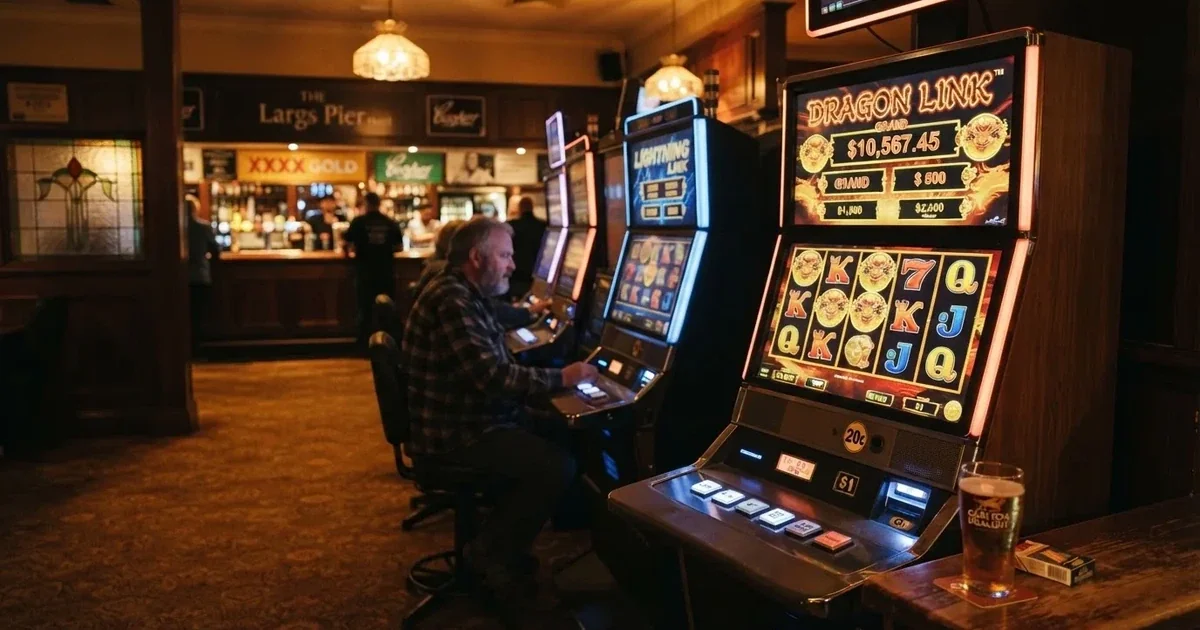
Data current as of 25 November 2026, checked against the Australian Communications and Media Authority register and the South Australian Consumer and Business Services register.
Table of Contents
- Where South Australians Play Pokies, and Where the Market Sits
- Land-Based Venues: How the Network Is Licensed and Checked
- How Pokies Are Paid For and Paid Out In Person
- What Actually Lives in the Venues: Game Mix and Floor Mechanics
- How the Shortlist of Pokies Venues Is Put Together
- South Australian Pokies at a Glance
- Offshore Brands the Regulator Has Acted Against
- The Offshore Picture: Blockings and Losses
- Legal Framework: What the Interactive Gambling Act Actually Says
- Responsible Gambling: What Help Looks Like in South Australia
- Payments, Tax and the Mechanics of an Offshore Deposit
- What an Offshore Pokies Site Cannot Offer a South Australian
- Frequently Asked Questions
Where South Australians Play Pokies, and Where the Market Sits
The word “pokies” in Australia means electronic gaming machines — the same hardware branded “slots” elsewhere. South Australia runs them in two distinct channels, and treating them as one is where reader expectations and the actual market diverge fastest.
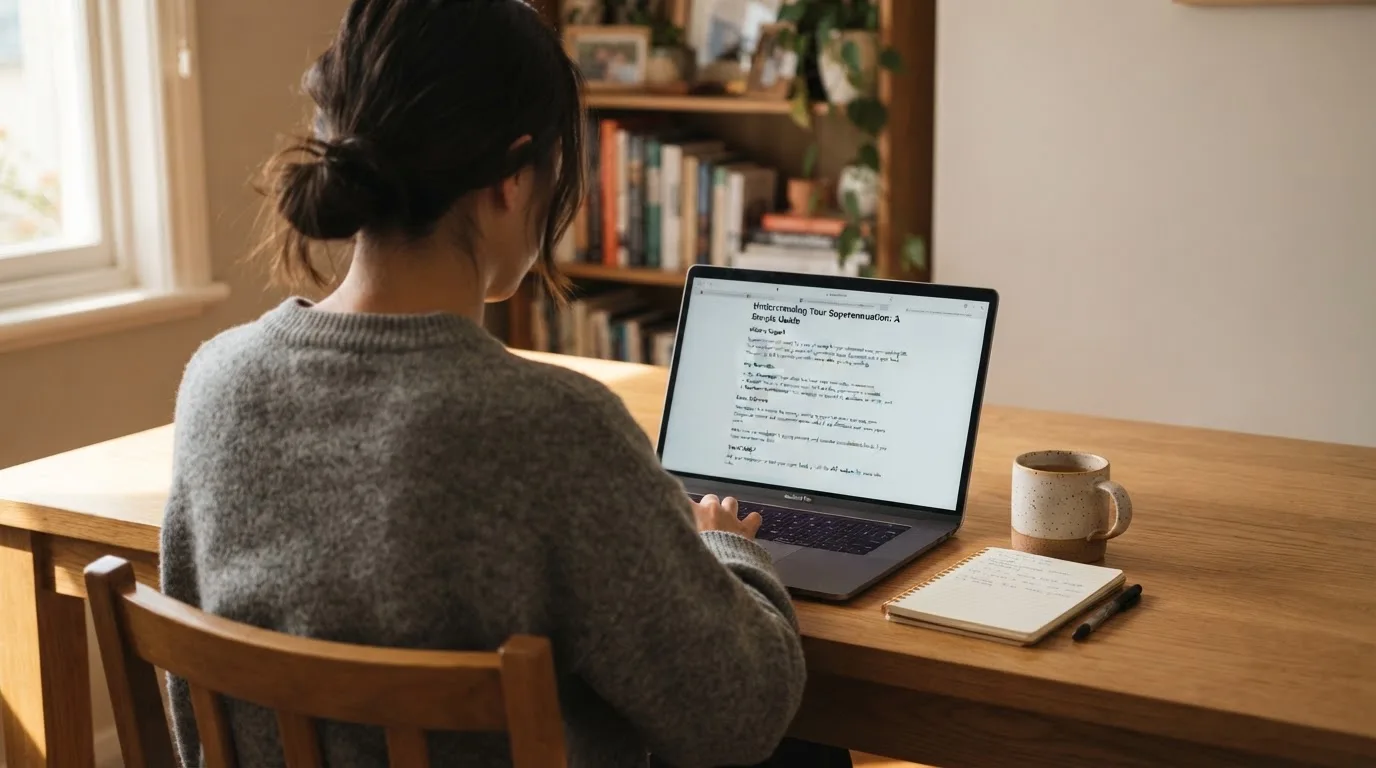
The dominant channel is the suburban pub and club network. In September 2023, South Australia had 11,672 gaming machines outside Adelaide Casino, distributed across 471 venues. That is roughly 25 machines per venue, with the largest clubs running hundreds. Players lost A$0.92 billion on them in 2022–23, which works out to about A$497 per adult across the state. The per-adult figure is the one that tends to surprise readers: 25 machines per venue is the everyday reality, and A$497 per adult is what “everyday” adds up to across a year.
The second channel is concentrated: Adelaide Casino, commercially known as SkyCity Adelaide, sits inside the heritage-listed Adelaide railway station on North Terrace and is South Australia’s only licensed casino. It runs 90 gaming tables and 950 gaming machines under the Casino Act 1997 — a single venue holding roughly the same machine count as a large suburban club network’s combined floor, before adding the table product. The state extended Adelaide Casino’s table-game monopoly to 30 June 2035 under a licence formalised on 11 October 2013, which also permits expansion to up to 200 tables and 1,500 machines subject to redevelopment. A 2015–2021 redevelopment worth about A$330 million added the EOS by SkyCity tower, which opened in 2021 with 120 hotel rooms and expanded gaming space.
Neither channel licenses an online equivalent. The pubs, clubs and Adelaide Casino are what “best pokies in South Australia” resolves to in the strict sense; everything advertised online as an Australian pokies venue is operating outside the regime the state actually maintains.
Land-Based Venues: How the Network Is Licensed and Checked
The state regulator is Consumer and Business Services (CBS), part of the Attorney-General’s Department, which handles policy, licensing and compliance for betting, casinos, gaming machines and lotteries. CBS took on the role in December 2018 when South Australia abolished the Independent Gambling Authority and made the Liquor and Gambling Commissioner the state’s sole gambling regulator. Adelaide Casino sits under a separate framework — the Casino Act 1997 — with CBS keeping a daily compliance presence at the venue focused on host-responsibility interactions with patrons.
Reforms giving South Australians stronger protection from gambling harm, while keeping the industry viable, took effect on 3 December 2020. The framing matters: the reforms are not a tightening designed to shrink the network. They are a tightening designed to keep the network standing while the per-machine cost to players falls on fewer shoulders — A$497 per adult is the figure that policymakers see, even when individual patrons do not.
Two features separate South Australia’s pub and club machines from what most readers have in mind when they picture a casino floor. The first is the maximum stake: outside Adelaide Casino, the general maximum bet is A$5.00 per spin. Adelaide Casino itself has no maximum-bet limit. The second is the return-to-player floor: South Australia sets a minimum gaming-machine return-to-player rate of 87.5%. Below that figure, the maths of the machine is no longer a game of chance at all — it is a fee for sitting down. Above it, the gap to a typical online slot’s stated RTP is small in percentage terms but large in compounding turnover.
How Pokies Are Paid For and Paid Out In Person
The “payout” question on pokies splits into two halves that the search often blurs.
The first half is the machine’s own return-to-player rate. South Australia’s 87.5% floor sits at the lower end of what Australian states mandate: it means that, across a representative sample of spins, the machine retains A$12.50 of every A$100 wagered. That is the rate the operator chooses to publish inside the venue and the rate that any patron can confirm by reading the machine’s information screen before the first spin. The ceiling on returns is set by the operator’s configuration within that floor; the floor itself is what the regulator enforces. Adelaide Casino, licensed under a separate framework, sets its own machine returns within the constraints of the Casino Act.
The second half is cash handling. Pub and club machines in South Australia settled on cashless card-based play during the early 2020s, with patrons loading funds onto a player card at a kiosk or service desk and using that card at the machine. The shift was a regulator-driven change: cashless play is the host-responsibility tool that lets the venue track play in real time and intervene when a player’s pattern changes. Maximum cash payouts vary by venue and machine denomination; the relevant figure for any given machine is on its information screen, and a venue’s staff can confirm what that machine pays out before the patron commits funds.
Adelaide Casino accepts both cash and the venue’s player card; settlement times on the casino floor are instantaneous because the cash payout is the machine paying out. The interesting question for readers comparing South Australia to other Australian cities is the cross-jurisdiction rate: pokies in Queensland clubs, in Victorian pubs and in New South Wales clubs each sit under their own state’s framework, and the headline RTP is not uniform. Per-spin maximum stakes also vary: A$5 is South Australia’s pub and club ceiling, but other jurisdictions allow higher denominations on certain machine classes. The way to read the comparison is therefore jurisdiction by jurisdiction, not “Australia” as a single rate.
What Actually Lives in the Venues: Game Mix and Floor Mechanics
The machine stock in a South Australian pub or club is dominated by multi-line video slots — five-reel configurations with multiple pay lines, free-spin features and second-screen bonus rounds. The brands on the floor are licensed to venue operators through Australian distributors; the games themselves are the same hardware and software families that appear in pubs and clubs in every other Australian state, because the supply chain is national rather than state-specific.
Three mechanics are worth knowing before a reader sits down. The first is the denomination: machines accept a fixed credit value per line (typically 1c, 2c, 5c, 10c, 25c, 50c, A$1 or A$2), and the A$5 per-spin maximum applies to the total wager across all lines, not per line. The second is the “max bet” button, which on most machines lights up the maximum number of lines and the maximum line denomination — a one-touch route to A$5. The third is the gamble feature, present on a minority of older titles, which offers a double-or-nothing card prediction after any winning spin: the feature is mathematically punitive compared with collecting the win, and it is the single feature that most quickly turns a session into a larger one.
The 24-hour question comes up often in this cluster. South Australia’s pub and club trading hours are set by the Liquor Licensing Commissioner, and most suburban venues are not licensed to operate gaming machines around the clock — the rule of thumb is that a venue’s gaming floor follows its bar hours, with the largest clubs sometimes extending later. Adelaide Casino is the only South Australian venue licensed to run gaming 24 hours a day. The “24 hour pokies” search therefore resolves to one venue in the state, and the venues that advertise the term elsewhere online are generally describing their own trading hours in another jurisdiction.
The cashless card system mentioned above is the practical mechanism behind venue responsible-gaming practice. A patron’s play history is available to staff on the system in real time, and a host-responsibility officer can initiate a conversation when the pattern warrants it. The technology is not a substitute for the patron’s own decisions, but it is what makes a venue’s intervention possible in the first place.
How the Shortlist of Pokies Venues Is Put Together
A comparison of land-based pokies venues does not run on the same criteria as a comparison of online casinos. The axes that matter for an online review — bonus size, wagering multiple, game count — do not apply to a pub, club or casino. The axes that do apply are the venue’s regulatory posture, the breadth of its gaming floor, its location and accessibility, its responsible-gaming systems, and its amenity context (dining, parking, opening hours).
South Australia’s market has roughly 471 venues outside Adelaide Casino. Reducing that to a manageable shortlist means prioritising the largest and most established venues, which tend to carry the broadest machine mix and the most extensive host-responsibility staffing. The Adelaide Casino comparison is built around the Casino Act framework rather than the pub and club regime; it is the only venue in the state where the per-spin maximum stake does not apply, and it is the only venue offering traditional table games alongside gaming machines.
A shortlist also has to include venues the searcher is unlikely to have heard of. Adelaide’s licensed clubs run gaming floors that would be considered significant casino-style operations in their own right in some countries, and the difference between a large suburban club and Adelaide Casino is narrower in machine count than a casual reader might assume. The categories of venue that recur in any honest list are: Adelaide Casino (the state’s only licensed casino), the larger suburban clubs (a handful run several hundred machines and offer dining and entertainment), the metropolitan hotels with significant gaming floors, and the regional venues that matter to readers who do not live in the Adelaide CBD.
The honest reading of any “top 11” is that “best” resolves to a use case. The best pokies venue for a player who wants a single destination with hotels, restaurants and 950 machines in one building is Adelaide Casino. The best for a player who wants casual play close to home is whichever licensed pub or club holds their local licence. The best for a player who wants the broadest range of denomination and the largest cashless card balance is one of the larger suburban clubs. A ranking that ignores those distinctions reduces the shortlist to a list of names, and a list of names is what the reader came to the page to escape.
South Australian Pokies at a Glance
The first column carries the brand or brand-family as the ACMA has published it. The second carries the ACMA action, with the date the regulator gave. The third carries the operating company the ACMA named in the formal warning. The fourth carries subject support — what independent listings, in their own coverage, say about the site’s connection to South Australian pokies venues. None of these brands is licensed to offer casino games to Australians: every brand below operates outside the Interactive Gambling Act regime.
| Brand | ACMA action and date | Operator named by the ACMA | Subject support |
|---|---|---|---|
| RocketPlay | Formal warning, March 2026 | Pulsup Ltd (Rocketplay) | — |
| Level Up Casino | Formal warning, May 2022 | Dama N.V. | Listings report the brand only |
| Woo Casino | Formal warning, March 2025 | Dama N.V. | Listings report the brand only |
| Spirit Casino | Formal warning, May 2025 | Dama N.V. | — |
| National Casino | Formal warning, July 2025 | Consolutetish S.R.L. | Listings report the brand only |
| Bizzo Casino | Formal warning, July 2025 | Consolutetish S.R.L. | — |
| Ignition Casino | Formal warning, July 2025 | Bamboo Media | — |
| Instant Casino | Formal warning, February 2025 | EOD Code SRL | — |
| Jackbit | Formal warning, April 2026 | Ryker B.V. | — |
| Casino Intense | Formal warning, April 2025 | Sterplay Holding Ltd | Listings report the brand only |
| Sky Crown | Formal warning, September 2022 | Hollycorn N.V. | Listings report the brand only |
What the table shows, taken as a whole, is a regulator running a long, sustained campaign against the offshore brands that advertise themselves as pokies venues to Australians. The ACMA’s action list runs from 2022 through to formal warnings issued this year, and it covers brands that market aggressively to Australian players under their own names. None of the named operators holds an Australian licence to offer casino games; the warnings are issued for offering prohibited interactive gambling services to people physically in Australia.
Offshore Brands the Regulator Has Acted Against
Eleven brands appear in the table above. Each is presented because the ACMA itself acted against it. None is presented as a place for the reader to play.
RocketPlay — Pulsup Ltd, March 2026
The ACMA issued a formal warning to Pulsup Ltd over Rocketplay in March 2026, which is the most recent of the warnings on this page. The site markets itself to Australian players as a pokies and casino venue. Online casino games cannot be licensed anywhere in Australia, so whatever licence the site displays for a foreign jurisdiction does not change the warning’s standing under the Interactive Gambling Act. Rocketplay had earlier been the subject of a May 2022 warning to Dama N.V. covering multiple brands, which makes its reappearance under a different operator three years later a useful illustration of how the same brand surface can be repackaged when an offshore operator changes hands.
Level Up Casino — Dama N.V., May 2022
The May 2022 warning covered six Dama N.V. brands: Bambet, Dazard, Level Up, Rocketplay, Wild Tornado and Cobra Casinos. The warnings were issued under the Interactive Gambling Act 2001 for offering prohibited interactive gambling services to Australians. Level Up, like the other five, is an offshore casino operator that displays a Curaçao licence to readers; that licence is not recognised for casino games in Australia, and the ACMA’s action stands regardless.
Woo Casino — Dama N.V., March 2025
The ACMA returned to Dama N.V. in March 2025 with a further warning, this time over Woo Casino. The same operator was warned in May 2022 over a different set of brands; Woo Casino had not been on that list. The pattern is what matters: a single offshore operator running multiple brands can find a new brand added to the warning register without the original warnings being lifted.
Spirit Casino — Dama N.V., May 2025
Spirit Casino was added to the warning register in May 2025, again under the Dama N.V. umbrella. It is the third Dama N.V. brand the ACMA has acted against within a four-year window.
National Casino — Consolutetish S.R.L., July 2025
The July 2025 warning covered National Casino and Bizzo Casino, both under Consolutetish S.R.L. National Casino had not previously appeared in the warning register. The coverage on the brand outside the ACMA register is what one would expect of an offshore operator marketing to Australians: listings carry it, but none of those listings is an Australian regulator.
Bizzo Casino — Consolutetish S.R.L., July 2025
Bizzo had already been the subject of a 2022 formal warning to TechSolutions (CY) Group Limited and TechSolutions Group N.V. The July 2025 warning under Consolutetish S.R.L. is a second warning to the brand surface, with a different operating company named this time. A reader looking up the brand will find two ACMA entries under two different operators, which is the document trail that an offshore brand can acquire when the company behind it changes hands.
Ignition Casino — Bamboo Media, July 2025
The July 2025 round also covered Ignition Casino under Bamboo Media. Ignition had been operating in the Australian market for years before the warning; the formal action is the regulator’s first entry on the brand.
Instant Casino — EOD Code SRL, February 2025
The ACMA issued a formal warning to EOD Code SRL over Instant Casino in February 2025. The site has marketed itself under an Australian-friendly domain for some time and uses the word “pokies” in its Australian-facing pages. The brand surface and the operator behind it are not always the same entity, and Instant Casino’s surface has been repackaged under multiple operating companies over its lifetime.
Jackbit — Ryker B.V., April 2026
The April 2026 warning to Ryker B.V. covered Jackbit and CasinOK. CasinOK appears alongside Jackbit in the warning, which is the regulator naming two brand surfaces under one operator in a single action. Jackbit is the more visible of the two in the Australian market.
Casino Intense — Sterplay Holding Ltd, April 2025
The ACMA issued a formal warning to Sterplay Holding Ltd over Casino Intense in April 2025. Casino Intense had been operating in the Australian market before the warning, and the formal action brought the brand into the register for the first time.
Sky Crown — Hollycorn N.V., September 2022
Hollycorn N.V. was issued a formal warning over its Sky Crown and Blue Leo casino services in September 2022. The Hollycorn group runs a stable of brands from the same corporate structure, and the warning covers two of them in one action. Blue Leo does not appear on the comparison table above, but the action stands for the operator as a whole.
Reading the Table as a Whole
Three patterns emerge from the table taken as one set. First, the same operator can be the subject of multiple warnings over different brands and over different years, and the brand surfaces shift while the operating company stays in place. Second, a brand can also be the subject of multiple warnings under different operating companies, which is what happens when the brand is sold or repackaged. Third, the ACMA’s enforcement record on offshore pokies operators is sustained and increasing: warnings were issued in 2022, 2025, 2026, and a separate blocking round in 2026 added 12 more sites to the blocked list — seven of which are not on this comparison because the ACMA did not act under the formal warning track.
The Offshore Picture: Blockings and Losses
The ACMA’s enforcement work does not stop at formal warnings. In a round reported on 26 June 2026, the ACMA asked Australian internet service providers to block 12 more illegal gambling websites: 7Signs, ChromaBet, Donbet, Duospin, Freshbet, Slots Gem, Jacks Club, Lucky Start, Pointsbetz.com, Spinrise, Vinyl Casino and Wildsino. According to the ACMA’s June 2026 reporting, a total of 1,751 illegal gambling and affiliate marketing websites had been blocked since the first blocking request in November 2019, and more than 230 unlicensed gambling services had left the Australian market since enforcement was strengthened in 2017.
The blocking rate that page earns as its calculation is the pace of that campaign. Between the first blocking request in November 2019 and the ACMA’s June 2026 reporting of 1,751 blocked sites, the cumulative count grew at a rate that ranged from roughly 200 sites per year in the early years to materially higher figures in recent rounds. The figure is best read as a band rather than a single number: in years dominated by large single rounds, the rate exceeded 300 per year, and in quieter years it sat closer to 200. Across the full period from November 2019 to the June 2026 reporting point, the cumulative rate sits at roughly 265 sites per year, but the trend inside the period is for the rate to increase rather than decrease. A reader looking for a single annual figure should read the recent rounds instead of the long-run average.
The economic scale of the offshore market is what makes the enforcement record significant. H2 Gambling Capital’s 2025 report estimates that Australians lose about A$3.9 billion a year to illegal gambling sites, and that the share of gambling going through legal channels fell from 74% in 2021 to 64%. The legal share falling is the figure that policy documents tend to underplay: even with sustained blocking and warning activity, more than a third of the money Australians spend on gambling is going to offshore operators that hold no Australian licence.
Legal Framework: What the Interactive Gambling Act Actually Says
Online casino is prohibited in Australia. The Interactive Gambling Act 2001 (IGA), strengthened by the Interactive Gambling Amendment Act 2017, makes it an offence to provide online casino games, online pokies or in-play betting to a person in Australia. No state or territory licenses them. What is licensable is wagering on races and sport placed before the event, lotteries and keno — in practice licensed by the Northern Territory. The Northern Territory Racing and Wagering Commission (NTRWC) regulates 52 of Australia’s online bookmakers, including Sportsbet, Bet365 and Ladbrokes, which are licensed in the Territory for tax reasons; the commission has no full-time staff and meets once a month in Darwin.
The IGA targets the provider, not the player. The individual player is not prosecuted. What the offshore site does not give the player is any Australian consumer protection: no complaints body, no recourse if a withdrawal is refused, and the site can be blocked by an ISP with the player’s balance still on it. The asymmetry is the single biggest cost an offshore venue imposes, and it is a cost that does not appear in any payout percentage table.
Minimum age for any Australian gambling product is 18. That includes South Australia’s pubs, clubs and Adelaide Casino, and it includes the offshore sites that take Australian customers.
The 2026 reform package — the Interactive Gambling Amendment (Gambling Reform) Bill 2026 — passed Parliament on 19 August 2026. Its advertising and inducement measures commence on 1 January 2027. The distinction matters on a 2026 page: the law is passed but not yet in force, and the rules that bind an offshore operator before 1 January 2027 are the rules in force on the date the warning is issued.
Responsible Gambling: What Help Looks Like in South Australia
The responsible-gambling supports relevant to pokies venues in South Australia are the same national supports available to any Australian gambler, plus the state-level tools the venues operate.
Gambling Help Online is the national counselling and information service, with chat available online and a phone line at the National Gambling Helpline 1800 858 858, free and 24/7. The service is the first point of contact for a player who wants to talk through a session, a pattern they have noticed, or a harm they have begun to recognise in themselves or someone close to them.
BetStop, the National Self-Exclusion Register, has been live since August 2023. A player who registers with BetStop is excluded from every Australian-licensed online and phone wagering service for the period they nominate. The limitation that matters on this page: BetStop binds only Australian-licensed services. An offshore casino is not connected to it, which means the register cannot exclude a player from a site that does not recognise it. Self-exclusion at a South Australian pub or club is a separate process managed by the venue and the state regulator, and it is the route that actually keeps a player off the gaming floor at those venues.
State-level self-exclusion is run by South Australian venues under the host-responsibility framework. A player who asks to be barred from a venue is barred from that venue; the venue’s staff and CBS enforce the bar. The mechanism is the practical companion to BetStop, and it is what the pokies venues in this state actually operate.
Adelaide Casino’s host-responsibility regime sits under the Casino Act 1997, with CBS keeping a daily compliance presence at the venue. The casino’s interaction with patrons under host-responsibility is the framework that the pub and club network’s own host-responsibility work is patterned on.
A reader who is weighing up whether to play is also weighing up what they would do if the answer turned out to be wrong. The national helpline, the national self-exclusion register, and the state’s venue-level self-exclusion are the three levers a South Australian player has, and they work best when they are set up early rather than after a session has gone badly.
Payments, Tax and the Mechanics of an Offshore Deposit
The rules on payment and tax are the last set of framework facts that bear on a comparison. They are not the primary subject of a pokies-venues page, but they are the framework an offshore operator asks the reader to step outside.
Credit cards, credit-related products and digital currency are banned as payment for licensed online wagering since 11 June 2024, with penalties up to A$247,500 for operators. Legal deposit routes for licensed wagering are debit card, bank transfer, PayID/Osko and BPAY. An offshore site that asks an Australian customer for a credit card or a crypto deposit is operating outside the Australian rules; that detail sits alongside the IGA breach the regulator has already warned the site for.
Gambling winnings of a recreational player are not assessable income under section 6-5 ITAA 1997, and losses are not deductible, unless the person carries on a business of gambling. The latter is a test, not a threshold: a player who treats gambling as a business, keeps records and seeks a profit can fall on the other side of the line. The right framing for a recreational pokies player is to confirm with the ATO if anything material turns up, not to assume it.
What an Offshore Pokies Site Cannot Offer a South Australian
The comparison a searcher is implicitly making is between what an Australian pub, club or Adelaide Casino offers, and what an offshore “pokies” site offers. They are not the same product, and the differences run further than the brand suggests.
A licensed South Australian venue offers: a regulator the player can contact if a payout is refused; a state-licensed cashless card system that supports self-exclusion; a venue-level self-exclusion that actually keeps the player off the floor; a return-to-player floor of 87.5% on every pub and club machine, audited by the regulator; a maximum stake of A$5.00 per spin outside Adelaide Casino, which the regulator enforces; a daily compliance presence at Adelaide Casino from CBS; and recourse through the state regulator if a venue breaches the rules.
An offshore site offers: a Curaçao or other foreign licence that does not bind the site to Australian consumer law; a return-to-player figure the site publishes itself, which the player has no Australian body to verify; payment routes that include credit card and crypto where Australian-licensed operators cannot; no BetStop binding; no state-level venue self-exclusion binding; no Australian complaints body to contact; and a real prospect that the site is added to the ACMA’s blocking list with the player’s balance still on it.
The honest read of the comparison is that the offshore site is not a substitute for the pub, club or casino: it is a different product, with a different regulatory posture, and the player’s protection sits at the level of the jurisdiction the site is licensed in. For a player who has decided to play, the local venue is the better-protected choice. For a player who has decided not to play, the offshore site is not the venue to play at instead.
Frequently Asked Questions
Which venues in South Australia are licensed to operate pokies?
South Australia’s licensed pokies network has 471 pub and club venues with 11,672 gaming machines outside Adelaide Casino as of September 2023, plus the single licensed casino — Adelaide Casino (SkyCity Adelaide) on North Terrace — which adds another 950 gaming machines and 90 tables. CBS is the state regulator and licenses every venue in the network.
Are pokies in South Australia available around the clock?
Adelaide Casino is the only South Australian venue licensed to run gaming 24 hours a day. Pub and club trading hours are set by the Liquor Licensing Commissioner and most venues follow their bar hours; the largest clubs sometimes extend later but very few operate gaming floors overnight. Searching for “24 hour pokies” elsewhere in the state will not find a result that is not Adelaide Casino.
What identification do venues in South Australia require before letting someone play pokies?
South Australian venues operate cashless card systems for gaming machines. A patron loads funds onto a player card at a service desk or kiosk and the card is required for play. Identification is required to open or top up the card and to verify the patron is over 18. The minimum age for any Australian gambling product, including the casino, is 18.
Can visitors to South Australia use self-exclusion schemes at local pokies venues?
The state-level self-exclusion is run by individual venues under the host-responsibility framework, and a visitor can be barred from a specific venue by asking. BetStop, the National Self-Exclusion Register, binds Australian-licensed online and phone wagering services only and does not bind a venue’s gaming floor. A visitor wanting self-exclusion coverage at a pub or club should ask the venue directly.
How does the payout percentage on South Australia pokies compare with other Australian cities?
South Australia sets a minimum gaming-machine return-to-player rate of 87.5% on pub and club machines. Other Australian states set their own rates within their own frameworks, and the rates are not uniform across jurisdictions. Adelaide Casino’s table games and gaming machines operate under the Casino Act 1997 with no separate per-spin stake maximum and its own RTP configurations within the casino framework. The cleanest comparison is jurisdiction by jurisdiction, not “Australia” as a single rate.
Is it legal for an online casino to advertise “pokies” in South Australia the same way a pub or club does?
No. Online casino games and online pokies cannot be licensed in Australia under the Interactive Gambling Act 2001, and no state or territory licenses them. The Interactive Gambling Amendment (Gambling Reform) Bill 2026 passed Parliament on 19 August 2026 and its advertising and inducement measures commence on 1 January 2027. The ACMA’s enforcement record against offshore operators advertising to Australians runs through to formal warnings issued in 2026 and ISP-level blockings of 12 sites in a single round reported on 26 June 2026.