
Lightning Link Online Pokies in Australia: What the Format Offers, and Why the Online Path Closes at the Border
Drawn against the Australian Communications and Media Authority’s register on 8 November 2026.
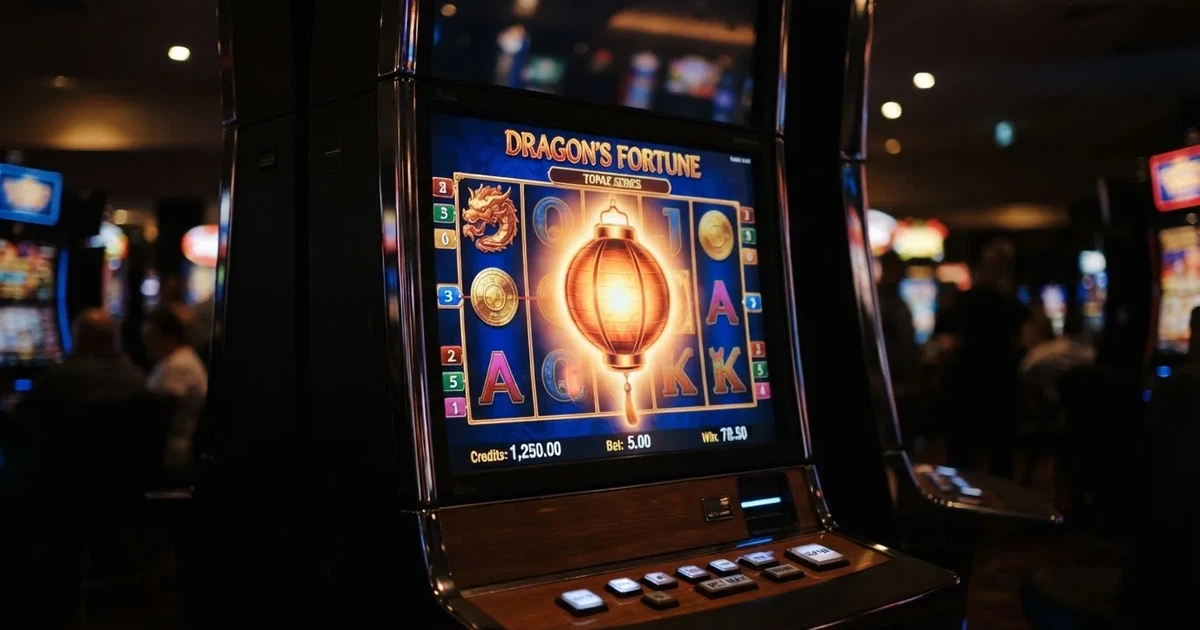
Lightning Link is a recognisable pokies format that Australian players meet in clubs, pubs and casinos rather than on a browser. The hold-and-spin bonus, the linked reel sets and the lantern motif that gives the flagship game its name all sit inside cabinets licensed state by state, and the online version of the same name does not exist as a lawful product inside Australia. This page sets out what the format is, why the online route closes at the Interactive Gambling Act 2001, and what the ACMA’s enforcement record says about the offshore brands that have tried to fill the gap.
Table of Contents
- Bonus rounds, free spins and promo codes: what “Lightning Link” actually means
- Apps and mobile play: the same product under a different wrapper
- What the format actually contains: games, providers and the cabinet family
- The eleven brands the ACMA has named: a comparison of warning records
- The licensed market the format sits inside
- Keeping play within what the law protects
- The block rate: what the ACMA’s enforcement pace looks like over time
- Putting the pieces together: what an Australian player can and cannot do
- Frequently asked questions
Bonus rounds, free spins and promo codes: what “Lightning Link” actually means
The Lightning Link name covers a cluster of Aristocrat-linked reel sets rather than a single game, and the bonus round sits at the centre of every one of them. Six or more orb symbols anywhere on the visible reels trigger the hold-and-spin feature, the reels reset to blanks and the player gets three re-spins to land more orbs; each new orb locks in place and the re-spin counter resets to three until a full screen is filled, the timer runs out, or the player lands one of the fixed jackpots on a reel space.

The mechanic is the same across the cabinet themes — Happy Lantern, Sahara Gold, Magic Tree, High Stakes, Heart Throb and the rest of the family — and that is why bonus spins and promo codes that market themselves under the Lightning Link banner describe the same feature regardless of theme. A free-spins allotment at a venue is a number of cabinet plays on a chosen reel set, not a different game; a promo code stamped with the Lightning Link name unlocks the same hold-and-spin window rather than a separate feature set.
The distinction matters because bonus offers at offshore sites marketing Lightning Link slot bonus hold and spin, lightning link casino bonus or lightning link casino bonus spins are not connected to the licensed cabinet product. They describe a themed reel the operator has licensed separately from the format, and the bonus terms travel with that licence rather than with Aristocrat’s product. The “no deposit bonus” pitch in this market, where it appears, belongs to that offshore reel — not to anything Aristocrat has approved for an Australian account.
That gap is what the page below keeps coming back to. The format itself is well-defined; the marketing around it drifts toward a product the law does not permit to be sold here.
Apps and mobile play: the same product under a different wrapper
A Lightning Link casino app or lightning link pokies app is, at the Australian end of the conversation, an offshore casino dressed in Lightning Link’s name. The format was built for cabinets and the social casino versions that exist on a phone run on different RNGs than the licensed machine, which is why the hold-and-spin window on an app can look familiar and still behave differently from the venue cabinet.
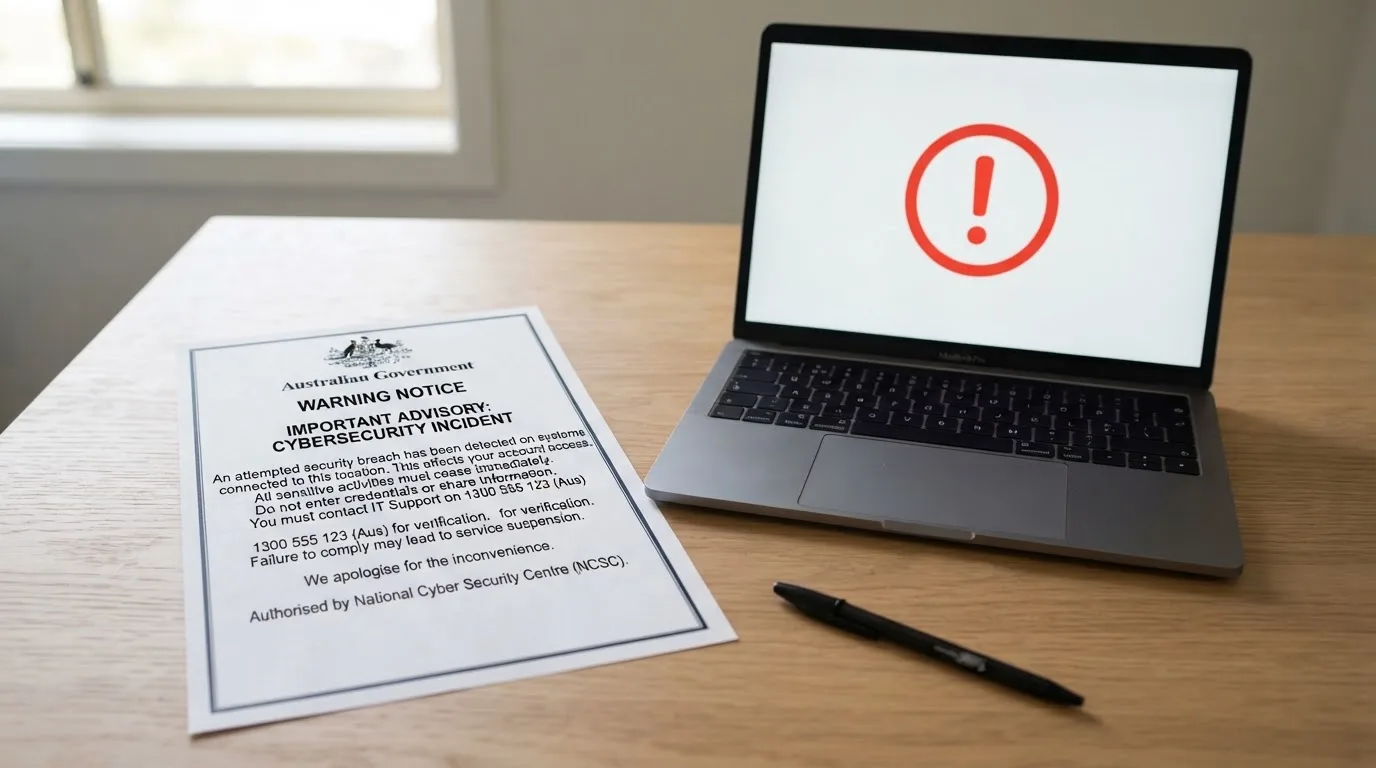
The regulatory point is the same one the desktop sites meet. The Interactive Gambling Act 2001 makes it an offence to provide online casino games — and that includes online pokies — to a person physically in Australia. An app marketed as a lightning link slot app or lightning link slots app reaches an Australian phone over the same blocked pipe the ACMA’s enforcement record addresses, and packaging it as a mobile product does not change that.
Two practical consequences follow. A player who downloads such an app is downloading an offshore gambling product whose provider can change overnight, and the Australian consumer protections that cover a licensed venue — complaints bodies, dispute resolution, identity-confirmed withdrawals — do not extend to it. A player who already holds a Lightning Link promo credit at a licensed venue cannot transfer it to an app, because the venues, the apps and the offshore sites are three separate operations that share a name.
What the format actually contains: games, providers and the cabinet family
Lightning Link pokies use a cluster of linked reel sets, each with its own paytable and its own hold-and-spin bonus round. The cabinet family is the property of Aristocrat Leisure Limited, the Australian-listed manufacturer whose gaming machines first appeared in registered clubs from 1956 in New South Wales and have since spread to every jurisdiction except Western Australia’s pubs and clubs.
A player who sits down at a Lightning Link cabinet picks a theme, places a bet across the enabled paylines and plays the base game until six or more orb symbols land in view. The hold-and-spin feature then runs on a stripped-back reel set with blanks and orbs only, and the fixed jackpots — typically Mini, Minor, Major and Grand — sit as visible values above the reels. The Grand value scales with the bet size on most cabinet versions, which is why two players on the same machine can see different Grand jackpots depending on what they wagered at trigger.
Return-to-player on these machines is governed by state and territory rules rather than by Aristocrat’s own settings. New South Wales, the Northern Territory, Queensland and (generally) Victoria set a legal minimum of 85 per cent; Crown Melbourne runs at 87 per cent; the Australian Capital Territory and Tasmania set 87 per cent; South Australia 87.5 per cent; and Western Australia 90 per cent. A cabinet running at the jurisdictional minimum keeps a fifteen per cent house edge; one running higher trims it. The hold-and-spin feature does not move the long-run return; it changes the distribution of the result, pushing more of it into rare large outcomes rather than smoothing it across smaller wins.
Lightning Link sits in a larger Aristocrat family that includes Buffalo, Dollar Storm and the more recent Dragon Train series. The same hold-and-spin mechanic runs across much of that family — and the same licensing frame applies across much of it as well. What changes between Lightning Link and the rest is theme, paytable and the size of the Grand, not the architecture of the bonus.
The eleven brands the ACMA has named: a comparison of warning records
The featured set sits outside the licensed market. Every one of the eleven operators below has been the subject of an ACMA formal warning for providing prohibited interactive gambling services to Australians, and the comparison table below is built from the ACMA’s own publication record rather than from affiliate marketing pages. It is not a ranking. It is a record of who the regulator has named, when and over what brand.
| Brand | ACMA action and date | Operator named by the ACMA | Subject support |
|---|---|---|---|
| RocketPlay | Formal warning, March 2026; earlier Dama N.V. warning May 2022 | Pulsup Ltd | — |
| Level Up Casino | Formal warning, May 2022 | Dama N.V. | Listings reference the brand on Bgaming |
| Woo Casino | Formal warning, March 2025 | Dama N.V. | — |
| Spirit Casino | Formal warning, May 2025 | Dama N.V. | — |
| National Casino | Formal warning, July 2025 | Consolutetish S.R.L. | Listings reference the brand on Wikipedia |
| Bizzo Casino | Formal warning, July 2025; earlier TechSolutions warning 2022 | Consolutetish S.R.L. | — |
| Ignition Casino | Formal warning, July 2025 | Bamboo Media | — |
| Instant Casino | Formal warning, February 2025 | EOD Code SRL | — |
| Jackbit | Formal warning, April 2026 | Ryker B.V. | — |
| Casino Intense | Formal warning, April 2025 | Sterplay Holding Ltd | Listings reference the brand alongside regulator pages |
| Sky Crown | Formal warning, September 2022 | Hollycorn N.V. | — |
The spread shows a regulator acting against the same parent company more than once. Dama N.V. sits behind four of the eleven — RocketPlay (earlier round, 2022), Level Up, Woo Casino and Spirit Casino — which is why a player who has looked at one of those brands and moved on to another may be moving on to the same operator under a new wrapper. Consolutetish S.R.L. sits behind two of them. The repeated names matter because the brand on the marketing page is not always the company the ACMA has had to address.
RocketPlay
The ACMA’s March 2026 warning names Pulsup Ltd as the operator behind RocketPlay, and an earlier 2022 warning had already covered Dama N.V. over the same brand. Two formal warnings from a single regulator, years apart, do not change the licence status of the product: online casino games cannot be licensed in Australia whatever paperwork the site displays. What they do change is the picture a player is looking at — a brand that has had the regulator’s attention twice and continues to market itself to Australian accounts. RocketPlay is the kind of operator whose advertised terms look like any offshore casino’s, and whose withdrawal record sits outside any Australian complaint body. The Interactive Gambling Act 2001 defines the boundary here: because the brand is not licensed for Australian residents, any withdrawal dispute that arises from an Australian account falls outside the reach of domestic consumer protection bodies.
Level Up Casino
The May 2022 ACMA warning over Level Up Casino was one of six issued to Dama N.V. in the same round, and the brand’s only research-verifiable listing sits on Bgaming.com as a games integrator rather than as an Australian licensee. That positioning explains what Level Up is and is not: a games-aggregator listing says nothing about whether the operator holds an Australian licence, and the regulator’s record says it does not. The verdict for an Australian account is the same as it is for any Dama N.V. brand the ACMA has addressed — the operator’s paperwork does not extend to Australian residents, and the consumer protections that come with an Australian licence do not apply.
Woo Casino
Woo Casino sits in the second Dama N.V. warning round, March 2025, two and a half years after the first. The gap between the two warnings is the part of the story a player should not skip: a regulator that returns to the same operator under the same Act has had to do so because the first round did not end the offering. Woo Casino’s terms, like those of any offshore brand, will read like any other casino’s; what they do not include is the Australian consumer protection the law sets out. The verdict for an Australian account is unchanged by the second warning: the product remains prohibited, and a dispute sits outside any domestic body.
Spirit Casino
Spirit Casino was the second of the two Dama N.V. warnings issued in 2025, the May round that followed the Woo Casino warning by two months. The pattern is the same — same parent operator, different brand, same Act. Spirit Casino’s marketing leans on the same bonus vocabulary as the rest of the offshore set, and the audit of those terms is the same audit the ACMA has already run. The verdict for an Australian account: prohibited product, no Australian recourse, and a regulator that has had to address the parent operator twice inside a single year.
National Casino
National Casino sits in the July 2025 warning round, this time against Consolutetish S.R.L. The brand’s only research-verifiable listing is on Wikipedia, which carries no licence confirmation and no consumer standing. What the ACMA has done is what matters here: the warning is on the public record, the operator is named, and the product the brand markets remains prohibited for Australian residents. The verdict: the marketing pitch and the licence position are two different things, and a player who treats the second as settled by the first is reading past the regulator’s record.
Bizzo Casino
Bizzo Casino is the second Consolutetish S.R.L. brand in the set and carries a second-regulator-history footnote: a 2022 formal warning had already been issued to TechSolutions (CY) Group Limited and TechSolutions Group N.V. over the same brand. Two different corporate names, one product, and a regulator that has had to come back to it. Bizzo Casino’s marketing will read like any offshore casino’s — bonus terms, payment methods, a withdrawal window — and the lawfulness of that offering to Australian residents has not changed across the two warnings. The verdict: a player who treats a brand as new because the corporate name changed is reading past the regulator’s record.
Ignition Casino
Ignition Casino sits in the same July 2025 warning round, this time against Bamboo Media rather than Consolutetish S.R.L. The brand has no separate research-verifiable listing beyond the ACMA’s own publication. What that means in practice is that the regulator’s record is the most reliable source for what Ignition Casino is, and that record is the same record every other brand in the set carries: a formal warning under the Interactive Gambling Act 2001, an operator named, a product that cannot be licensed for Australian residents. The verdict: a player who weighs the brand against the regulator’s record should treat them as two different sources of truth, and the regulator’s is the one that decides the question.
Instant Casino
Instant Casino carries an earlier February 2025 warning against EOD Code SRL, which puts it ahead of most of the set in the ACMA’s enforcement timeline for that year. The earlier warning date does not mean a faster exit from the regulator’s attention, and the brand’s marketing continues to reach Australian accounts. Instant Casino’s terms will read like any offshore casino’s; the licence that backs them is not an Australian one. The verdict: the regulator’s record was the public answer to the brand’s licence question in February 2025, and nothing in the brand’s marketing since then has changed it.
Jackbit
Jackbit is the second brand on the April 2026 warning against Ryker B.V., paired with CasinOK. The warning date is recent, which means the brand’s marketing reach and the regulator’s record are still in the same calendar quarter, and a player who has heard of Jackbit in 2026 has heard of it in the same news cycle the warning was published. Jackbit’s terms and the Australian lawfulness of those terms are two separate questions, and the second has already been answered by the ACMA. The verdict: a recent warning is not a softer warning; the regulator’s record stands whether the marketing is still running or not.
Casino Intense
Casino Intense carries the April 2025 warning against Sterplay Holding Ltd, and the brand’s research-verifiable listing places it alongside the regulator pages themselves and a Crown Melbourne reference. That combination — regulator on one side, a domestic casino reference on the other — is misleading rather than reassuring, because the Crown Melbourne reference is a venue at which Lightning Link-style play happens lawfully on cabinets, not an endorsement of Casino Intense’s offshore offering. The verdict: the brand’s appearance alongside Australian venues in a search result is a search-result artefact rather than a licence position, and the regulator’s warning is the controlling fact.
Sky Crown
Sky Crown sits in the oldest warning of the set, the September 2022 publication against Hollycorn N.V., which also covered Blue Leo. A 2022 warning carried into a 2026 page means the brand has had the regulator’s attention longest, and a player who has watched the offshore market over those years will recognise Hollycorn N.V. as a recurring name in the warning record. Sky Crown’s marketing will read like any offshore casino’s; the licence that backs it is not Australian, and the consumer protection that comes with an Australian licence is not part of the offer. The verdict: a regulator that has had to address an operator across four years has had to address an operator across four years, and a player reading the brand’s marketing as a fresh start is reading past that record.
The licensed market the format sits inside
The legal frame around Lightning Link is the legal frame around pokies generally: a state-by-state licensed product that runs in clubs, pubs and casinos, with no online counterpart. The Interactive Gambling Act 2001, strengthened by the Interactive Gambling Amendment Act 2017, makes it an offence to provide online casino games, online pokies or in-play betting to a person physically in Australia, and no state or territory licenses online casino products.
What is licensed is wagering on races and sport placed before the event, lotteries and keno — in practice licensed through the Northern Territory Racing and Wagering Commission, which regulates fifty-two of Australia’s online bookmakers including Sportsbet, Bet365 and Ladbrokes for tax reasons. The commission itself runs without full-time staff and meets once a month in Darwin, which is part of why the federal enforcement side — the ACMA’s blocking and warning work — has become the visible line of defence for online casino specifically.
On the ground, the pokies market is a state story. New South Wales had 87,298 gaming machines outside casinos across 2,195 venues in June 2023, with player losses of A$8.18 billion in 2022–23. Queensland had 21,122 machines in 351 venues in October 2023. Victoria had 26,380 machines outside Crown Casino in 488 venues under a 30,000-machine statewide cap. Western Australia banned poker machines in pubs and clubs when Crown Perth opened in 1985, and the casino’s own machine count has since grown from about 200 to roughly 2,500, all approved by the state’s Gaming and Wagering Commission. Tasmania ran under a Federal Group monopoly from 1968 until legislation in November 2021 moved oversight to the Tasmanian Liquor and Gaming Commission, and the territory planned mandatory pre-commitment cards that have been delayed into late 2025.
Australia’s share of the world’s pub and club poker machines is far larger than its share of the global population: about three per cent of the world’s machines sit in 0.3 per cent of the world’s people. Australians bet almost A$150 billion through gaming machines in 2020–21 and lost A$12.18 billion on them in the same year. The legal minimum return-to-player is set state by state — 85 per cent in NSW, the NT, Queensland and most of Victoria, 87 per cent at Crown Melbourne, 87 per cent in the ACT and Tasmania, 87.5 per cent in South Australia, and 90 per cent in Western Australia. Those numbers sit on the cabinets; the offshore sites that use the Lightning Link name do not run to those numbers.
Keeping play within what the law protects
Responsible play around a hold-and-spin feature like Lightning Link starts with the feature’s own design. The mechanic is built to extend a session: a near-miss screen of blanks invites another spin, and the reset on each new orb keeps the run going longer than a base-game session would. That is why a fixed time limit matters more than any in-game prompt to keep playing, and why pre-commitment tools — the ones Tasmania has been moving toward — sit at the centre of the harm-minimisation debate rather than at its edge.
The protective frame an Australian player actually has is the licensed market. BetStop, the National Self-Exclusion Register, has been live since August 2023 and binds Australian-licensed online and phone wagering services. An offshore casino is not connected to it. The National Gambling Helpline runs free on 1800 858 858, twenty-four hours a day, with chat at Gambling Help Online, and the calls and chats are confidential. None of those tools is reachable from inside an offshore casino site.
Payment rules sharpen the picture. Credit cards, credit-related products and digital currency have been banned as payment for licensed online wagering since 11 June 2024, with penalties up to A$247,500 for operators that breach the rule. The legal deposit routes for licensed wagering are debit card, bank transfer, PayID/Osko and BPAY. A site asking an Australian for a credit card or a crypto deposit is operating outside the Australian rules — which is consistent with the rest of its operating model, because an offshore casino is not licensed in Australia in the first place.
On the consumer side, the individual player is not prosecuted under the Interactive Gambling Act 2001 — the Act targets the provider — but the player has no Australian consumer protection at an offshore site. There is no domestic complaints body for an offshore casino, no recourse if a withdrawal is refused, and the site can be blocked with a balance still on it. H2 Gambling Capital’s 2025 estimate is that Australians lose about A$3.9 billion a year to illegal gambling sites, and that the share of gambling going through legal channels fell from 74 per cent in 2021 to 64 per cent. The block-rate calculation that sits below the page is the regulator’s answer to that fall.
The block rate: what the ACMA’s enforcement pace looks like over time
The ACMA asked Australian internet service providers to block more illegal gambling and affiliate marketing websites than any comparable regulator in the region: 1,751 in total since the first blocking request in November 2019, with more than 230 unlicensed gambling services leaving the Australian market since enforcement was strengthened in 2017. A round reported on 26 June 2026 added twelve more — 7Signs, ChromaBet, Donbet, Duospin, Freshbet, Slots Gem, Jacks Club, Lucky Start, Pointsbetz, Spinrise, Vinyl Casino and Wildsino.
The arithmetic that the page’s reader can use runs over that window. Take the total of 1,751 blocked sites, divide by the months from November 2019 to June 2026 — roughly seventy-nine months — and the average pace is around twenty-two blocked sites per month across the full enforcement window. The early years carried a lighter load: the first round of blocks came in late 2019, and the regulator’s monthly average climbed as the formal-warning machinery bedded in. The later years carry the heavier load, with multiple twelve-site rounds inside single months and the formal-warning list sitting alongside the blocking requests rather than behind them.
The figure worth holding onto is not the monthly average but the band the regulator is working inside. Between mid-2024 and mid-2026, the pace sits consistently above twenty-five blocked sites per month, with some months well above it. The blocking request is the regulator’s last tool rather than its first: it follows an investigation, a formal warning and, in many cases, the operator’s failure to respond. The pace is therefore a measure of how often the regulator has had to get that far, not a measure of how often illegal offerings appear. A reader who treats twenty-two blocked sites per month as a cap on the offshore market is reading the regulator’s enforcement record as the regulator’s intake record, which is the wrong way around.
The more useful gloss on the figure is the contrast with the formal-warning pace. Eleven brands appear in the table above; each one represents a regulator decision that preceded or ran alongside a blocking request. The block rate is what the regulator does after the warning has not been enough.
Putting the pieces together: what an Australian player can and cannot do
The path an Australian resident can actually take closes at the border. Lightning Link pokies can be played in licensed Australian venues, on cabinets regulated state by state, with returns to player set by jurisdiction and a hold-and-spin feature that behaves the same way across the cabinet family. The online version of the same name cannot lawfully be offered to a person in Australia, and the offshore sites that market it have a regulator’s record rather than a licence to point to.
Three consequences follow. First, the bonus vocabulary — no deposit bonus, free spins, promo codes — that surrounds Lightning Link in search results is a marketing vocabulary used by offshore operators, not a feature list of the licensed cabinet. Second, the apps that carry the Lightning Link name are offshore casino products that reach an Australian phone over a blocked pipe, and the consumer protections that come with an Australian licence do not extend to them. Third, the eleven brands the ACMA has named are not a ranking and not a recommendation; they are a record of who the regulator has had to address, and the same parent operator sits behind several of them.
A player who wants to play Lightning Link plays it in a venue. A player who wants consumer protection plays within BetStop’s coverage. A player who wants to avoid the offshore market treats the ACMA’s warning list as a current picture rather than a closed file, because the regulator’s pace in 2025 and 2026 has been faster than at any point since the first blocking request in 2019.
Frequently asked questions
Is it legal to play Lightning Link online pokies for real money in Australia?
No. The Interactive Gambling Act 2001, strengthened by the Interactive Gambling Amendment Act 2017, makes it an offence to provide online casino games — including online pokies — to a person physically in Australia. The law targets the provider rather than the player, but the offshore site itself has no Australian consumer protection, no domestic complaints body, and no guarantee the ACMA will not block it with a balance on the account.
What triggers the hold-and-spin bonus round on a Lightning Link machine?
Six or more orb symbols anywhere on the visible reels. The reels then reset to blanks with the triggering orbs locked in place, the player receives three re-spins, and each new orb that lands resets the counter to three. The feature runs until a full screen of orbs is filled, the timer runs out, or one of the fixed jackpots — Mini, Minor, Major, Grand — lands on a reel space.
Is Lightning Link available at regulated land-based venues in Australia?
Yes. Aristocrat’s Lightning Link family sits in clubs, pubs and casinos across every Australian state and territory except Western Australia’s pubs and clubs, which have been banned since Crown Perth opened in 1985. The cabinets are licensed and regulated state by state, with minimum returns to player set by jurisdiction — 85 per cent in NSW, the NT, Queensland and most of Victoria, 87 per cent at Crown Melbourne, 87 per cent in the ACT and Tasmania, 87.5 per cent in South Australia, and 90 per cent in Western Australia.
Do Lightning Link promo codes work the same way across different cabinet themes?
The bonus mechanic — the hold-and-spin feature — is identical across the cabinet themes, so a promo credit on one theme is interchangeable with a promo credit on another at the venue level. The terms attached to the credit — expiry, eligible games, bet size — are venue-specific rather than theme-specific, which is why two players on the same cabinet family at different venues can have very different promo terms. Promo codes attached to offshore sites marketing the Lightning Link name are unrelated to venue promos and operate under offshore terms.
Does a Lightning Link app on a phone offer a different game to the desktop version?
The licensed cabinet game does not have an online counterpart for Australian residents, so any app that markets itself as a Lightning Link casino app or lightning link pokies app is offering an offshore product under the format’s name. The hold-and-spin feature on those apps is built around a separately licensed reel rather than the Aristocrat cabinet, which is why the bonus round can look familiar and behave differently from the venue cabinet. From the Australian regulator’s standpoint, the app and the desktop offshore site are the same product under different packaging.