
Big Red Pokies Online in Australia 2026: What the Prohibition Actually Means
A Big Red pokies game is a recognisable fixture in Australian pubs and clubs — an Aristocrat Leisure Australian-themed game on a state-regulated floor, with a paytable that players know without reading the title. The online version does not exist for Australian-based players, because no Australian licence covers it. The Interactive Gambling Act prohibition shapes the picture from there: what the offshore sites are doing, what the ACMA has done about it, and where the enforcement is heading. The eleven brands reviewed below sit inside that frame.
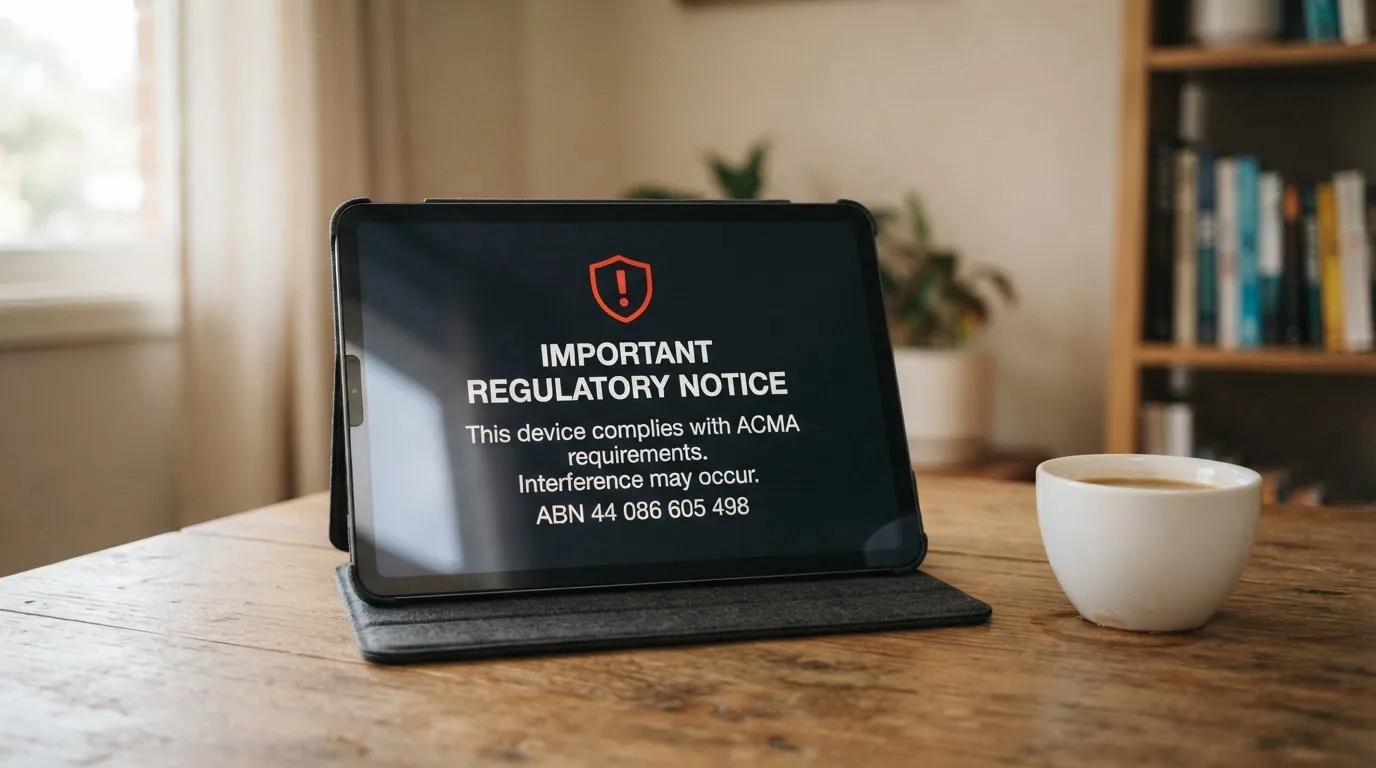
Data current as of 8 November 2026, verified against the ACMA’s formal warning register and the regulator’s published blocking-round reports.
Table of Contents
- The Paytable Behind the Big Red Pokies Search
- The Fundamentals of the Interactive Gambling Act
- How Prohibition Becomes ACMA Enforcement
- Where Help Is When the Site Disappears
- Aristocrat, Big Red, and the Theme That Travels
- How This List Is Built — and Why It Is Not a Recommendation
- RocketPlay — The Most Recent of the Dama N.V. Family Warnings
- Level Up Casino — The Brand With the Bgaming Listing
- Woo Casino — A 2025 Warning to a Known Operator
- Spirit Casino — A Second 2025 Action Against Dama N.V.
- National Casino — Listed by Wikipedia in Big Red-Style Context
- Bizzo Casino — A Warning History Reaching Back to 2022
- Ignition Casino — A Single Bamboo Media Action in July 2025
- Instant Casino — A Standalone Operator’s February 2025 Warning
- Jackbit — An April 2026 Action That Also Named CasinOK
- Casino Intense — The Brand That Surfaces in Three Independent Listings
- Sky Crown — A 2022 Hollycorn N.V. Action Covering Two Brands
- What the Prohibition Leaves in Place
- Frequently Asked Questions
The Paytable Behind the Big Red Pokies Search
A player looking for a Big Red pokies game online in Australia is searching for a title that has a familiar shape. Aristocrat Leisure’s Big Red — five reels, red earth tones, the kangaroo, crocodile and eagle of the Australian outback, a scatter-driven bonus trigger, free games that can re-trigger during play — is one of the most recognisable cabinets in the country’s pubs and clubs. Walk into a venue in Sydney, Brisbane or Adelaide and you find the game without looking for it. The brand recognition is decades old; the title itself is short enough to remember.
That recognition is the surface the offshore market leans on. Search the title from inside Australia and the result page fills with offshore casinos advertising Big Red-style content. The aggregator knows the title; the marketing team knows what the title signals to a player who already knows the land-based version; the result is a search result page that reads like an offer of the real game. It is not. The real game does not travel online to Australian-based play, because no path exists for it to do so legally.
What does travel is the theme. The offshore pages borrow the same general iconography — outback reds, the wildlife, the scatter-pay engine — and bundle it under a Big Red banner. Some are aggregator pages assembling animal-themed slots from third-party studios. Some are generic five-reel games with crocodile and kangaroo art bolted onto a scatter-pay engine. The borrow is enough for the page to look plausible to a player who knows the original from a club floor, and the player who does not know the original may not notice the difference.
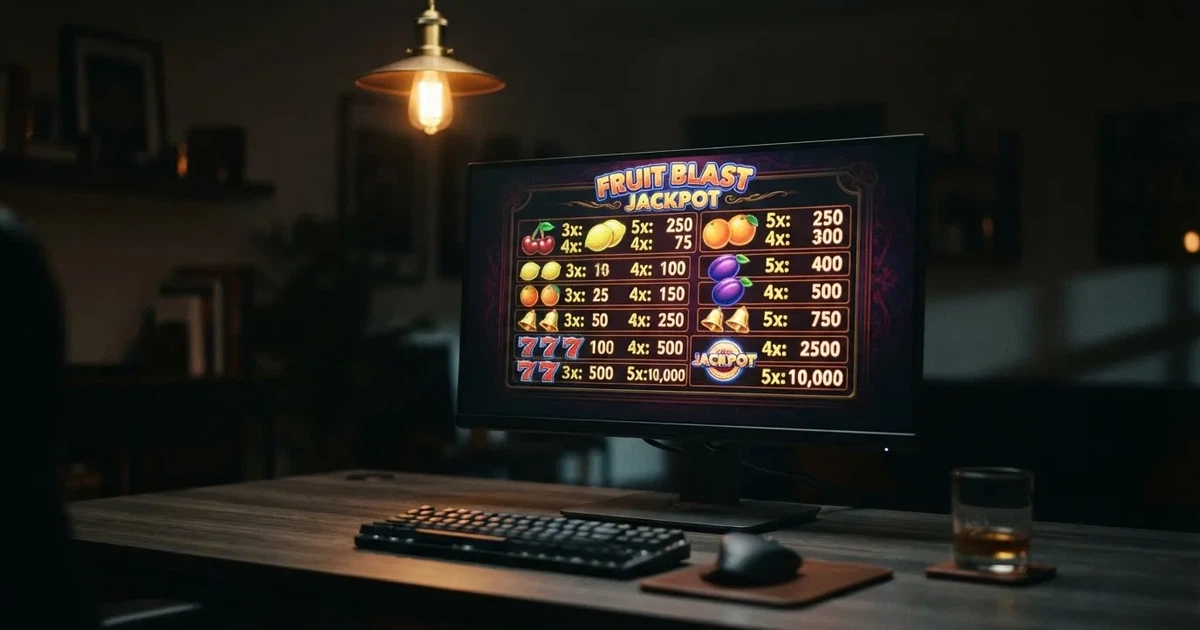
The paytable structure that makes the original recognisable is the part an offshore copycat borrows most directly. The Big Red symbol acting as the bonus trigger, the free-games feature with its re-trigger window, the stake ladder that runs in cents — those are the elements a player recognises. The named symbol, the bonus mechanic, the math. What does not travel is the regulated payout rate, and what does not follow the brand offshore is the Australian licence the cabinet carries on a club floor. The brand recognition travels; the licensed product does not.
What follows works through what the prohibition actually means for that search. The next section covers the legal frame that makes the offshore pitch a breach of the IGA. The section after that covers what the ACMA has actually been doing about it, and at what pace. The responsible-gambling section follows, then the game-specifics shelf, then the eleven-brand table that the ACMA itself has produced. The same IGA prohibition runs through all of it.
The Fundamentals of the Interactive Gambling Act
The Interactive Gambling Act 2001, strengthened in 2017 by the Interactive Gambling Amendment Act, is the statute that closes the door on offering online casino games, online pokies and in-play betting to a person in Australia. The target is the provider, not the player. No Australian has been prosecuted for placing a bet on an offshore site, but the offshore site commits an offence the moment it accepts one. The shape of the Australian-licensed market — wagering on racing and sport before the event, lotteries, keno — is what survives. Online casino and online pokies do not.

The territory regulator that actually licenses the wagering side is the Northern Territory Racing and Wagering Commission, which holds the licences for 52 of Australia’s online bookmakers, including Sportsbet, Bet365 and Ladbrokes. The commission itself operates without full-time staff and meets once a month in Darwin — a fact that says something about how thin the public regulator footprint is on the licensed side. The licensed market is real, but it is not large, and the wagering it covers is the part the IGA leaves open.
State and territory regulators handle the land-based machines. New South Wales, the Northern Territory, Queensland and most of Victoria set a minimum return-to-player of 85% on poker machines; the ACT and Tasmania at 87%; South Australia at 87.5%; Western Australia at 90% in the single permitted venue. Victoria runs at 87% inside Crown Melbourne under a separate approval. Each jurisdiction separately regulates the design and operation of the machines, and the registers they keep do not connect to one another.
The size of the licensed land-based market is large enough that the offshore prohibition sits against a very different base. NSW alone reported 87,298 gaming machines outside casinos across 2,195 venues at June 2023, with player losses of A$8.18 billion in 2022-23. Queensland had 21,122 gaming machines in 351 venues at October 2023. Victoria had 26,380 machines outside Crown Casino in 488 venues in 2021-22, operating under a statewide cap of 30,000. The 2020-21 national figure was almost A$150 billion bet through gaming machines and A$12.18 billion lost on them. Australia carries about 3% of the world’s pub and club poker machines against about 0.3% of the global population — a ratio that is itself part of the case for why the offshore market finds Australian searchers a willing audience.
The minimum age for any form of licensed Australian gambling is 18. There is no carve-out below that age, and there is no carve-out for offshore play. The Western Australian exception is its own story: poker machines were effectively banned in pubs and clubs when Crown Perth opened in 1985, and Crown Perth’s own machine count has since grown from about 200 in 1985 to roughly 2,500, all approved by the state’s Gaming and Wagering Commission. Tasmania’s parallel story is that Federal Group held a monopoly over the state’s poker machines from 1968 until legislation passed in November 2021 ended it, moving oversight to the Tasmanian Liquor and Gaming Commission. Tasmania is also the jurisdiction planning mandatory pre-commitment cards for its machines, with the rollout delayed until late 2025 — the only Australian jurisdiction with that reform on the calendar.
The practical consequence for someone reading this from Australia is that a site claiming to host Big Red for Australian-based play is doing so in breach of the IGA. The site has no Australian consumer protection, no Australian dispute body and no Australian obligation to honour a withdrawal. If the site is blocked mid-session, the player’s balance does not return — the block sits between the player and the operator, and the regulator has no relationship with the operator that could be used to recover funds. There is no complaints path, no ombudsman, no refund route through an Australian body. The same offshore site, in the same week, may be perfectly lawful for a player sitting in a country where the regulator has a different rule.
The licensed route the IGA does leave open is the wagering side, and that route is real but narrow. Pre-event racing and sports bets are licensable through NTRWC-licensed bookmakers; lotteries and keno through their respective state operators. A punter who wants to bet on Australian-based play has those options. The same punter looking for a Big Red online casino game has no Australian-licensed path. The shape of the prohibition is that precise.
How Prohibition Becomes ACMA Enforcement
The Australian Communications and Media Authority is the body that turns the IGA prohibition into something a player sees. Its toolkit runs three ways. It can issue a formal warning to an operator, identifying the breach and giving a window to take Australian-facing access offline. It can pursue civil penalty proceedings. And it can ask Australian internet service providers to add specific domains to a block list at the network level. The combination — published warning, civil exposure, network block — is what the offshore market sits under.
The formal warnings are published on the ACMA’s website, and the same register is the source of every brand reviewed later in this page. A warning names the legal entity behind the site, the brand or brands, and the date the warning was issued. The register is the public face of the ACMA’s enforcement; the underlying investigation file is not visible. The same legal template applies to most of the warnings: an operator has offered a prohibited interactive gambling service to customers physically in Australia, and the ACMA requires the operator to demonstrate compliance within a stated period or face further action.
The blocking tool is the harder one. By June 2026 the ACMA had reported a cumulative total of 1,751 illegal gambling and affiliate marketing websites blocked since the first blocking request in November 2019. The same reporting period noted more than 230 unlicensed gambling services having left the Australian market entirely since the 2017 strengthening of the IGA. June 2026 alone produced a 12-site round — 7Signs, ChromaBet, Donbet, Duospin, Freshbet, Slots Gem, Jacks Club, Lucky Start, Pointsbetz, Spinrise, Vinyl Casino and Wildsino all added to the list. That is the present pace: a dozen new sites in a single reporting window, with smaller rounds and individual additions in between. The ISP-level mechanism sits between the operator’s marketing and the Australian end user, and the block list is what an Australian player would notice in practice — the page does not load, the marketing disappears, the brand retreats from the Australian search results until it surfaces under a new domain or a new operator.
The Blocking Rate, in a Band
The cumulative figure answers a question only a band can carry. The 1,751 sites blocked between November 2019 and the June 2026 reporting period — roughly 79 months of enforcement — work out to about 22 sites per month across the full window on the long-term average, or closer to 265 per year. Both are averages; the ACMA’s blocking rounds do not arrive on a metronome, and a slow quarter will bookend a heavy one.
The more recent reporting periods sit well above that pace. The June 2026 round alone added 12 sites, and the long-tail of services exiting the market on their own rather than waiting to be blocked sits in the same broad bucket. A reader looking at the year-by-year trend will see the count climbing faster after 2023 than before it. The headline the band supports is that the ACMA’s network-level action is no longer a novelty. It is the steady state. A brand that launches today with Australian-facing marketing is operating against an enforcement regime that adds new domains to the block list faster than the marketing team can launch new ones.
What sits underneath that rate is the size of the offshore market itself. H2 Gambling Capital’s 2025 report estimated Australian losses to illegal gambling sites at roughly A$3.9 billion a year, with the share of gambling going through legal channels falling from 74% in 2021 to 64%. The IGA prohibition is not a paper one. There is real money on the offshore side of the wall, and the legal-channel share has been falling across the same period the block list has been growing. The block list is doing the work; the legal-channel share is still being eroded underneath it.
The consequence for the player is that the gap between “offshore site advertising Big Red to Australians” and “ACMA action against that site” is narrowing. Of the eleven brands reviewed below, every one has been the subject of an ACMA formal warning. The marketing finds the gap; the ACMA closes it; the marketing finds another one. The cycle is the structure, not the exception. The next section covers where a player turns when the cycle reaches them.
Where Help Is When the Site Disappears
Australian-licensed wagering operators are bound by BetStop, the National Self-Exclusion Register, which has been live since August 2023. A player who registers with BetStop is excluded from licensed online and phone wagering services for the period they choose, with a minimum of three months and a maximum of permanent. The exclusion binds the operator; the self-excluded player cannot deposit, and the operator cannot accept the bet.
BetStop does not bind an offshore casino. The exclusion sits inside the Australian regulatory perimeter, and an offshore operator is outside that perimeter. A player who self-excludes via BetStop and then opens an account with one of the brands listed below is still able to play on it. The same caveat applies to complaint bodies, dispute resolution, and any refund mechanism — none of them reach the offshore operator. The Australian licensed side has a credible safety net; the offshore side does not.
For support, the National Gambling Helpline on 1800 858 858 runs 24/7, free, with web chat at Gambling Help Online. State-level self-exclusion schemes run alongside BetStop and cover land-based venues. The support exists whether the gambling was legal or not — the helpline is jurisdiction-blind, and the people on the end of the line do not turn someone away because the gambling was on an offshore site. State-level exclusion schemes likewise do not ask whether the gambler was playing inside the rules before the call.
State regimes vary in what they reach. Western Australia effectively banned poker machines outside the single permitted casino at Crown Perth when Crown Perth opened in 1985, and Crown Perth’s machine count has since grown from about 200 to roughly 2,500. Tasmania ended Federal Group’s monopoly over its poker machines through legislation passed in November 2021 and is in the process of rolling out mandatory pre-commitment cards for its machines — the rollout was delayed until late 2025 and would make Tasmania the only Australian jurisdiction with mandatory pre-commitment on the calendar. NSW, Victoria, Queensland and the ACT each run their own venue-level exclusion schemes, and none of them reach offshore.
The responsible-gambling ladder for someone whose Big Red pokies play has moved from a club to a laptop to an offshore phone app is straightforward: BetStop for licensed wagering, the state exclusion scheme for the licensed clubs and pubs that took the original bet, the National Gambling Helpline for the moment between realising there is a problem and taking the next step. None of those tools replace the offshore site’s own limits, because the offshore site has no Australian obligation to provide any. The offshore site may have a self-exclusion button. It may have a deposit cap. It may not. There is no regulator checking that it does.
Aristocrat, Big Red, and the Theme That Travels
Big Red is an Aristocrat Leisure pokie, in the Australian-themed genre the company has been publishing for decades. The cabinet sits in pubs and clubs across the country; the brand has been on the floor long enough that players recognise the symbols without reading the title. Registered clubs operated Australia’s first legal poker machines from 1956, in New South Wales, and Aristocrat’s Australian-themed catalogue has been part of the licensed-floor product for most of that history. The licensed route to playing Big Red is through a state-regulated venue.
What appears under the name online is a different object. The offshore sites that advertise “Big Red” to Australians are not licensing the Aristocrat game — Aristocrat does not license it for Australian-facing online play — and what they actually host varies. Some are aggregator pages that bundle multiple animal-themed slots under a Big Red banner. Some are generic five-reel games with crocodile and kangaroo art bolted onto a scatter-pay engine. None of them are the licensed Aristocrat product, because no path to licensing exists.
The land-based game’s paytable structure is what carries over most directly. Five reels, scatter-driven feature trigger, free games that can re-trigger during play, the Big Red symbol as the feature scatter — those are the elements an offshore copycat borrows when it assembles its “Big Red” page. The borrowing is what makes the page convincing: the same general iconography, the same general bonus mechanic, the same general stake ladder. A player who knows the Aristocrat cabinet sees enough to keep reading, and a player who does not know the original has no reference point to compare against.
What does not travel is the licensed payout rate. Each state sets a minimum return-to-player for poker machines, and Aristocrat’s cabinets meet those minimums because the regulator requires them to. The offshore sites have no equivalent obligation. Their “Big Red” pages run on whatever math the aggregator has set, with no Australian regulator checking the figure. A player who reads 87% on the Aristocrat cabinet in a Sydney club cannot assume the same 87% on an offshore “Big Red” — it would be unsafe to assume that, and there is no way to verify it. The state minimum is enforced by state inspectors and backed by audited game logs; the offshore figure is whatever the operator says it is, and the operator has no Australian obligation to publish a figure at all.
The result for an Australian looking at an offshore “Big Red” page is that the visual brand travels but the regulated product does not. A punter who wants to play the game that the licensed pub or club cabinet offers does not have an Australian-licensed online route to it. The licensed product is the Aristocrat cabinet on a regulated floor; everything else is something else, with no jurisdiction backing the math, no dispute body backing the payout, and no Australian regulator watching the marketing.
How This List Is Built — and Why It Is Not a Recommendation
The brands below are not ranked and they are not endorsed. They are listed because the Australian Communications and Media Authority has issued a formal warning about each of them, under the Interactive Gambling Act 2001, for offering prohibited services to Australians. The shared thread is the regulator’s action, not anything about how well or badly the brands treat their customers. A reader treating this list as a recommendation will be treating it in a way the ACMA register itself does not.
| Brand | ACMA action and date | Operator named by the ACMA | Subject support |
|---|---|---|---|
| RocketPlay | Formal warning, March 2026 | Pulsup Ltd | — |
| Level Up Casino | Formal warning, May 2022 | Dama N.V. | Bgaming listings |
| Woo Casino | Formal warning, March 2025 | Dama N.V. | — |
| Spirit Casino | Formal warning, May 2025 | Dama N.V. | — |
| National Casino | Formal warning, July 2025 | Consolutetish S.R.L. | Wikipedia listings |
| Bizzo Casino | Formal warning, July 2025 (also 2022 to TechSolutions) | Consolutetish S.R.L. | — |
| Ignition Casino | Formal warning, July 2025 | Bamboo Media | — |
| Instant Casino | Formal warning, February 2025 | EOD Code SRL | — |
| Jackbit | Formal warning, April 2026 | Ryker B.V. | — |
| Casino Intense | Formal warning, April 2025 | Sterplay Holding Ltd | ABC News, ACMA, Crown Melbourne listings |
| Sky Crown | Formal warning, September 2022 | Hollycorn N.V. | — |
Three legal entities appear more than once: Dama N.V. (RocketPlay in March 2026, Level Up Casino in May 2022, Woo Casino in March 2025 and Spirit Casino in May 2025), Consolutetish S.R.L. (National Casino and Bizzo Casino, both in July 2025), and Bamboo Media (Ignition Casino, July 2025). The ACMA names the legal entity it has warned; the brand the Australian player saw is the one in the left column. The shared-operator pattern is not a coincidence — it is the regulator’s response to operators running more than one brand, and a single warning can be the trigger for warnings against the other brands under the same operator. Hollycorn N.V. and Ryker B.V. sit in the same pattern, with two-brand letters (Sky Crown and Blue Leo; Jackbit and CasinOK) the regulator used to cover both at once.
The “Subject support” column is the most cautious one. Three of the eleven brands appear in third-party listings — Bgaming’s catalogue for Level Up Casino, the Wikipedia entry that references National Casino, and ABC News, ACMA and Crown Melbourne sources that mention Casino Intense — that name them in the same sentence as Big Red-style content. The other eight do not. The em dash in this column means the research did not return anything connecting the brand to the subject of this page — not that the brand avoids Big Red-style content, only that no listing surfaced it. The offshore market moves quickly enough that a brand absent from a snapshot can pick up a Big Red-themed slot the week after, and a brand present today can drop it next quarter. The “listings” tag is not the operator’s own fact; it is what the third-party source says, with the limits that brings.
The brand-level data is what the regulator has published; the verdict paragraphs that follow put each row in context with the rest of the register, not as a review of the brand.
RocketPlay — The Most Recent of the Dama N.V. Family Warnings
The March 2026 formal warning to Pulsup Ltd over Rocketplay is the most recent action on this list. Pulsup Ltd is not one of the multi-brand operators that recur across the table — RocketPlay is its only appearance here. The consequence of that is a thinner trail for the reader to follow: the ACMA register names the legal entity and the brand, but there are no other Pulsup Ltd warnings to compare against. A reader looking up the brand will find one letter from March 2026 and nothing else on this register.
The subject support for RocketPlay is the em dash in the table — no third-party listing surfaced it in connection with Big Red-style content. That does not mean the brand does not offer Big Red-themed slots; it means the snapshot the research drew from did not find one. The ACMA warning predates the most recent listing check, and the offshore market’s catalogue changes more often than the regulator’s register.
The verdict: a single ACMA action from earlier this year, against an operator whose other brands have not appeared on this register, is a thinner enforcement footprint than the brands backed by Dama N.V. or Consolutetish S.R.L. That is information about the regulator’s track record with this legal entity, not a recommendation. The marketing pitch on the brand is the same as the rest of this list — Australian-facing, no IGA licence — and the IGA breach the ACMA warned about in March is the same. The regulator’s next move on Pulsup Ltd is the test of whether the warning landed.
Level Up Casino — The Brand With the Bgaming Listing
Level Up Casino sits on the older end of the table: Dama N.V. received its May 2022 formal warning over Level Up alongside five other brands in the same letter (Bambet, Dazard, Rocketplay, Wild Tornado and Cobra Casinos). The fact that six brands share the same warning letter is itself a piece of information about how the operator was running at that time — a single legal entity holding a portfolio of Australian-facing brands under one IGA breach notice.
The subject support column carries “Bgaming listings” rather than the em dash. Bgaming is one of the studio aggregators whose catalogue pages surface in third-party listings, and Level Up appears there in connection with Big Red-style content. The “listings-only” tag is doing real work: the listing says Level Up hosts Big Red-style content; the listing does not confirm it; and the ACMA warning does not turn on the specific title. The brand was warned for offering prohibited online casino games to Australians in general, not for one specific game.
The verdict: Level Up is the most directly named brand in Big Red-style context among the pre-2024 ACMA actions, which is what a player mapping a search result to a regulator action will land on first. The May 2022 warning is the oldest single warning here, and the fact that Dama N.V. has been warned three more times since — for different brands — is the regulator’s track record on this operator.
Woo Casino — A 2025 Warning to a Known Operator
The March 2025 formal warning over Woo Casino is the second Dama N.V. entry after the May 2022 batch. Woo is one of the better-known brands in the Dama portfolio, and the ACMA’s March 2025 letter follows the same template as the earlier 2022 letter — same operator, same IGA breach, different brand. The intervening three years do not appear to have moved the operator to take Australian-facing marketing offline on the Woo front.
The subject support column is the em dash, meaning no third-party listing surfaced Woo Casino in connection with Big Red-style content. The same caveat applies as for RocketPlay: the listing snapshot is a moment, not a permanent record.
The verdict: Woo’s appearance on this list is the second time Dama N.V. has been warned for the same IGA breach, and the regulator has now warned a fourth Dama brand (Spirit Casino) within twelve weeks of the Woo letter. The brand’s ACMA trail is the regulator’s accumulated evidence that the operator has not changed the marketing, not anything about Woo Casino as a product in isolation. The pattern matters more than the brand.
Spirit Casino — A Second 2025 Action Against Dama N.V.
The May 2025 formal warning over Spirit Casino is the third Dama N.V. brand on the table. The letter arrived eight weeks after the Woo Casino warning, and the same template applies. Spirit Casino sits in the same operator’s portfolio and the same IGA breach category. The fact that two warnings landed within two months to the same legal entity is itself a signal — the regulator was not satisfied that the March letter had produced the change the ACMA’s template expected.
The subject support column is the em dash. The same moment-in-time caveat applies.
The verdict: read together with the Woo Casino row, the Spirit Casino warning is the regulator noting that the March 2025 letter did not move the operator to take the Australian-facing marketing offline. Two warnings within two months to the same legal entity is the ACMA signalling that the next step — civil penalty proceedings or a blocking request — is the natural follow if the pattern continues. That is a consequence of the Dama N.V. brand pattern, not a verdict on Spirit Casino as a single product.
National Casino — Listed by Wikipedia in Big Red-Style Context
The July 2025 formal warning to Consolutetish S.R.L. over National Casino is the first of two Consolutetish S.R.L. entries on the table. National Casino and Bizzo Casino were both named in the same July 2025 letter; the same operator, same breach, two brands.
The subject support column carries “Wikipedia listings” rather than the em dash, which is the second of the three listings-only entries in the table. Wikipedia is one of the third-party sources that names National Casino in connection with Big Red-style content. The same caveat applies: the listing says National Casino appears in this context; the listing does not confirm the listing as the operator’s own fact.
The verdict: National Casino is one of two brands Consolutetish S.R.L. was warned for in July 2025, alongside Bizzo Casino. The dual warning is the regulator noting that the operator runs more than one Australian-facing brand, and a single warning does not cover the rest. The “listings” column entry is what a player looking up National Casino by name will most often hit on third-party searches; the ACMA register is the only authoritative source for the warning itself.
Bizzo Casino — A Warning History Reaching Back to 2022
The July 2025 formal warning to Consolutetish S.R.L. over Bizzo Casino is the second Consolutetish S.R.L. entry, and the column in the table also notes an earlier warning to TechSolutions (CY) Group Limited and TechSolutions Group N.V. over Bizzo Casino in 2022. That earlier warning is the oldest single-brand warning on this table — same brand, different legal entity. The intervening three years saw the brand change hands and the marketing continue.
The subject support column is the em dash. The snapshot did not surface Bizzo Casino in third-party Big Red-style listings.
The verdict: Bizzo Casino is the only brand on this list with a warning to one legal entity in 2022 and a warning to a different legal entity in 2025, which is what happens when an offshore brand changes hands. The operator trail is the regulator’s evidence that the brand has had at least two legal entities behind it in four years, and that the IGA breach persisted across both. The cleanest illustration on this table of an offshore brand surviving a warning by moving the legal entity underneath.
Ignition Casino — A Single Bamboo Media Action in July 2025
The July 2025 formal warning to Bamboo Media over Ignition Casino is the only Bamboo Media entry on the table. Bamboo Media is not a multi-brand operator on this list; the other July 2025 entries were to Consolutetish S.R.L. (National Casino and Bizzo Casino). The other brands under the same operator, if any, sit outside the register the ACMA has published.
The subject support column is the em dash. No third-party listing surfaced Ignition Casino in connection with Big Red-style content.
The verdict: Ignition Casino sits alone in the July 2025 batch under its own operator, which means the regulator’s enforcement on Bamboo Media is a single data point. The same IGA breach applied to the other July 2025 entries applies here; the difference is the operator footprint. A player cross-checking the brand against the register will find the Bamboo Media warning; the regulator’s broader record on Bamboo Media, if any, sits outside this list.
Instant Casino — A Standalone Operator’s February 2025 Warning
The February 2025 formal warning to EOD Code SRL over Instant Casino is the third standalone-operator entry on the table, after Sky Crown (Hollycorn N.V., September 2022) and Ignition Casino (Bamboo Media, July 2025). EOD Code SRL does not appear elsewhere in the brands listed here. The February letter is the only ACMA action in the register against this legal entity.
The subject support column is the em dash. The same moment-in-time caveat applies.
The verdict: Instant Casino is the only EOD Code SRL entry on this list, which means the regulator’s evidence on EOD Code SRL is a single warning. The brand’s marketing posture is the same as the rest — Australian-facing, no IGA licence — and the ACMA’s February 2025 letter is the public face of that posture. The next move on EOD Code SRL will be the test of whether the warning landed.
Jackbit — An April 2026 Action That Also Named CasinOK
The April 2026 formal warning to Ryker B.V. over Jackbit also named CasinOK in the same letter. Ryker B.V. is the third multi-brand operator on this table, after Dama N.V. and Consolutetish S.R.L. The April 2026 letter is the most recent ACMA action on the table, alongside RocketPlay’s March 2026 letter to Pulsup Ltd.
The subject support column is the em dash. No third-party listing surfaced Jackbit in connection with Big Red-style content.
The verdict: the Jackbit row is the most recent action on the table, and the ACMA paired it with CasinOK in the same letter. That pairing is the regulator signalling that Ryker B.V. was running both brands at the time of the warning, and a single letter covers both. The brand’s continued appearance on Australian-facing search results after April 2026 is the open question the regulator’s next action will answer.
Casino Intense — The Brand That Surfaces in Three Independent Listings
The April 2025 formal warning to Sterplay Holding Ltd over Casino Intense carries the third listings-only entry in the “Subject support” column: ABC News, ACMA and Crown Melbourne sources mention the brand in connection with Big Red-style content. The three listings are not the same kind of source — ABC News is reporting, ACMA is regulator action, Crown Melbourne is the venue context — and the listings-only tag covers all three. The breadth here is unusual for a single row.
The subject support column is the most populated on the table, with three named sources rather than one. No other row on the table carries that many third-party listings.
The verdict: Casino Intense is the only brand on this list whose third-party listings reach into the Australian land-based regulatory perimeter via Crown Melbourne, alongside the regulator’s own register and the news reporting on the warning. That makes the brand’s listing trail the broadest of the eleven, in the sense that more independent sources name it in the relevant context. The ACMA warning itself is no different from the others; the listings are about what third-party pages say, not about what the regulator found. The breadth of the listings is the row’s distinguishing feature.
Sky Crown — A 2022 Hollycorn N.V. Action Covering Two Brands
The September 2022 formal warning to Hollycorn N.V. covered Sky Crown and Blue Leo casino services in the same letter. Hollycorn N.V. is the second multi-brand operator on this table (after Dama N.V.), and the September 2022 warning is the oldest single-letter action covering two brands. The fact that the same operator runs Sky Crown and Blue Leo under one legal entity is the same structural pattern the regulator has applied to Dama N.V., Consolutetish S.R.L. and Ryker B.V. — the operator’s footprint widens, the regulator’s letter widens with it.
The subject support column is the em dash. No third-party listing surfaced Sky Crown or Blue Leo in connection with Big Red-style content.
The verdict: the Sky Crown row is the oldest action on the table, and the Hollycorn N.V. letter covered two services in one. The brand’s appearance on this list is what the reader’s search result maps to in the regulator’s register; the same IGA breach applies to the other Hollycorn N.V. brand (Blue Leo) covered in the same letter. On the regulator’s track record on Hollycorn N.V., the Sky Crown row is the entry point and the Blue Leo mention is the extension.
What the Prohibition Leaves in Place
The IGA prohibition has a long tail, and the ACMA’s enforcement sits in the middle of it. The 1,751 sites blocked since November 2019 is the cumulative figure; the 12-site blocking round in June 2026 is the most recent batch; the 230 services that have left the Australian market since 2017 is the cumulative exit count. The legal reform track adds another layer: the Interactive Gambling Amendment (Gambling Reform) Bill 2026 passed Parliament on 19 August 2026, with its advertising and inducement measures commencing on 1 January 2027 — law with a start date, not yet in force on a 2026 page, but close enough to be on the near horizon.
The credit-card and digital-currency ban for Australian-licensed online wagering, in force since 11 June 2024 with penalties up to A$247,500 for operators, has reshaped the deposit routes the licensed side can use. Legal deposit routes for licensed wagering are debit card, bank transfer, PayID/Osko and BPAY. A site asking an Australian for a credit card or a crypto deposit is operating outside the Australian rules — the same IGA breach the ACMA register documents for the eleven brands above. The ban is enforced against licensed operators; the offshore side sits outside it.
For the offshore side, the same prohibitions apply on paper but with no Australian regulator attached to enforce them. A player who has been warned, blocked, or financially harmed on an offshore brand has no path through an Australian body. The marketing does not advertise that. The “Big Red online” search result does not surface it. The block list surfaces it after the loss, not before.
The tax position sits alongside this. Gambling winnings of a recreational Australian player are not assessable income, and losses are not deductible, unless the person carries on a business of gambling. The ATO’s position on a recreational punter is that the wins and losses sit outside the tax system entirely. The offshore casino does not report winnings to the ATO; the player has no obligation to report them either; the only time the position changes is when gambling stops being a recreational activity and becomes a business, at which point the model no longer applies. “Check with the ATO” remains the standard disclaimer for that boundary.
What the prohibition leaves in place, on the licensed side, is the wagering market — pre-event racing and sports bets through NTRWC-licensed bookmakers, lotteries, keno. What it leaves in place on the land-based side is the pub and club machine, regulated state by state, with the Aristocrat Big Red cabinet among them. What it does not leave in place is an Australian-licensed route to the online version of the same game. The Aristocrat cabinet on a club floor is the licensed product; the offshore “Big Red” page is something else.
Frequently Asked Questions
What kind of pokies theme does “Big Red” actually refer to?
“Big Red” names an Aristocrat Leisure Australian-themed pokies game — five reels, red earth palette, kangaroo, crocodile, eagle and other outback animal art, scatter-driven bonus trigger and free games with a re-trigger feature. The licensed version sits in pubs and clubs across Australia and has been on the floor for years.
Can someone in Australia legally play an online version of Big Red?
No. Online casino games and online pokies cannot be licensed for Australian-based play under the Interactive Gambling Act 2001. The provider commits an offence by offering them; the player is not the target. An offshore “Big Red online” site is operating outside Australian rules whatever licence it displays.
Are Australian-themed pokies machines still common in licensed pubs and clubs?
Yes, in every state and territory that allows them. Western Australia is the exception outside the single permitted venue at Crown Perth. NSW alone reports more than 87,000 gaming machines outside casinos, with Queensland and Victoria adding tens of thousands more on their own licensed floors.
Why do offshore sites keep advertising Big Red-style games to Australians?
Because the brand recognition travels. The Aristocrat title is widely known to Australian players, and aggregator pages assemble animal-themed slots that borrow the same iconography under the Big Red banner. The marketing reaches a willing audience; the IGA prohibits the offer; the ACMA’s enforcement register is the record of how often that cycle runs.
How can a player confirm whether a specific pokies theme is on a licensed Australian venue’s floor?
State and territory regulators publish venue-level information; the NSW, Victorian, Queensland and ACT Liquor and Gaming authorities publish venue data and exclusion registers. The ACMA register lists the brands the regulator has warned offshore, not the venues that host licensed Aristocrat cabinets.