
Neteller at offshore casinos and the Australian consumer in 2026
The phrase “Neteller casino Australia” looks like a shopping list. It reads that way because most pages that rank for it are written that way: a banner, eleven logos, a deposit limit, a button. The page beneath is the one a reader actually needs, because every line on that shopping list sits inside a single prohibition that none of the buttons will mention. Under the Interactive Gambling Act 2001, no online casino may lawfully take an Australian player at all, so the question of whether a site takes Neteller is the second question, not the first. The first is whether any of them may take anyone in Australia, and the regulator’s running answer to that is on the public record.
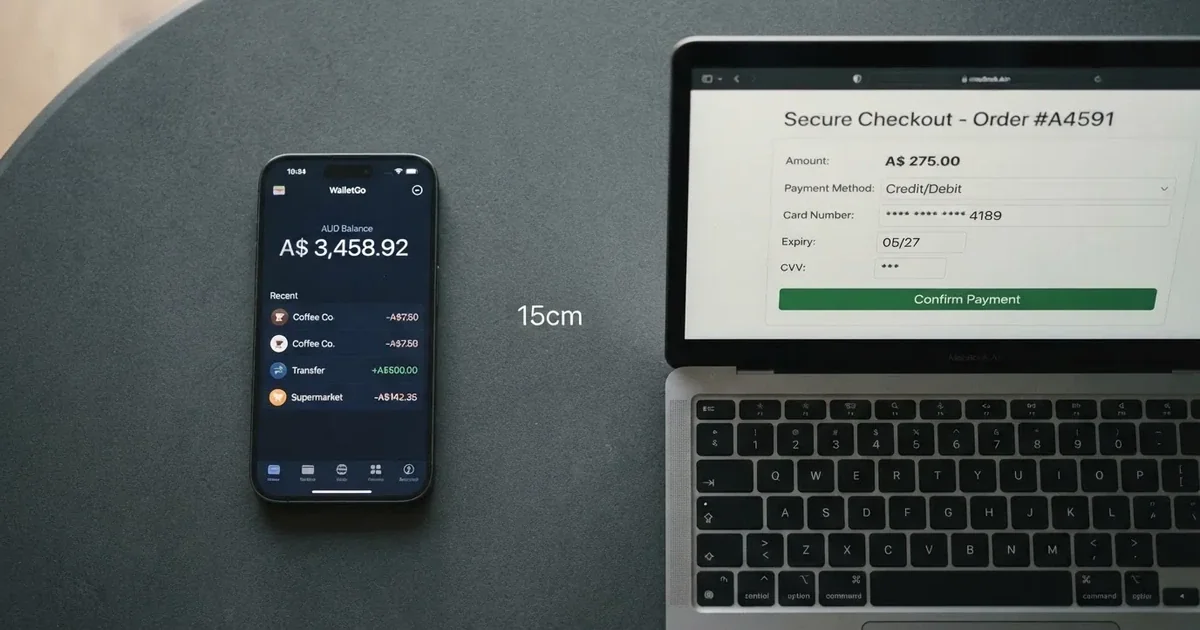
Current as of 30 October 2026; operator and ACMA enforcement data verified against the ACMA’s formal warning register.
Table of Contents
- How the Neteller casino landscape actually looks from Australia
- The blanket prohibition every offshore casino site sits inside
- Responsible gaming and what the offshore route does not include
- Payments and payout speed at a Neteller offshore casino
- Neteller-accepting casinos named by the ACMA in 2026
- The 2026 reform and what it does not change yet
- What a reader comparing options should weigh
- Closing the loop
- Frequently asked questions about Neteller at Australian casinos in 2026
How the Neteller casino landscape actually looks from Australia
The shape of the market is misleading at first glance. A search for a Neteller-friendly casino turns up dozens of brands that list the wallet on their cashier pages and accept Australian dollars. They look like alternatives to one another, and many of them are run by the same handful of operating companies: Dama N.V. alone is linked to formal warnings covering six casino brands. Consolutetish S.R.L. sits behind two more. Hollycorn N.V. sits behind two more. A reader choosing between the brands is, in many cases, choosing between skins of the same operator, and the deposit-and-withdrawal experience is largely the same from one skin to the next.
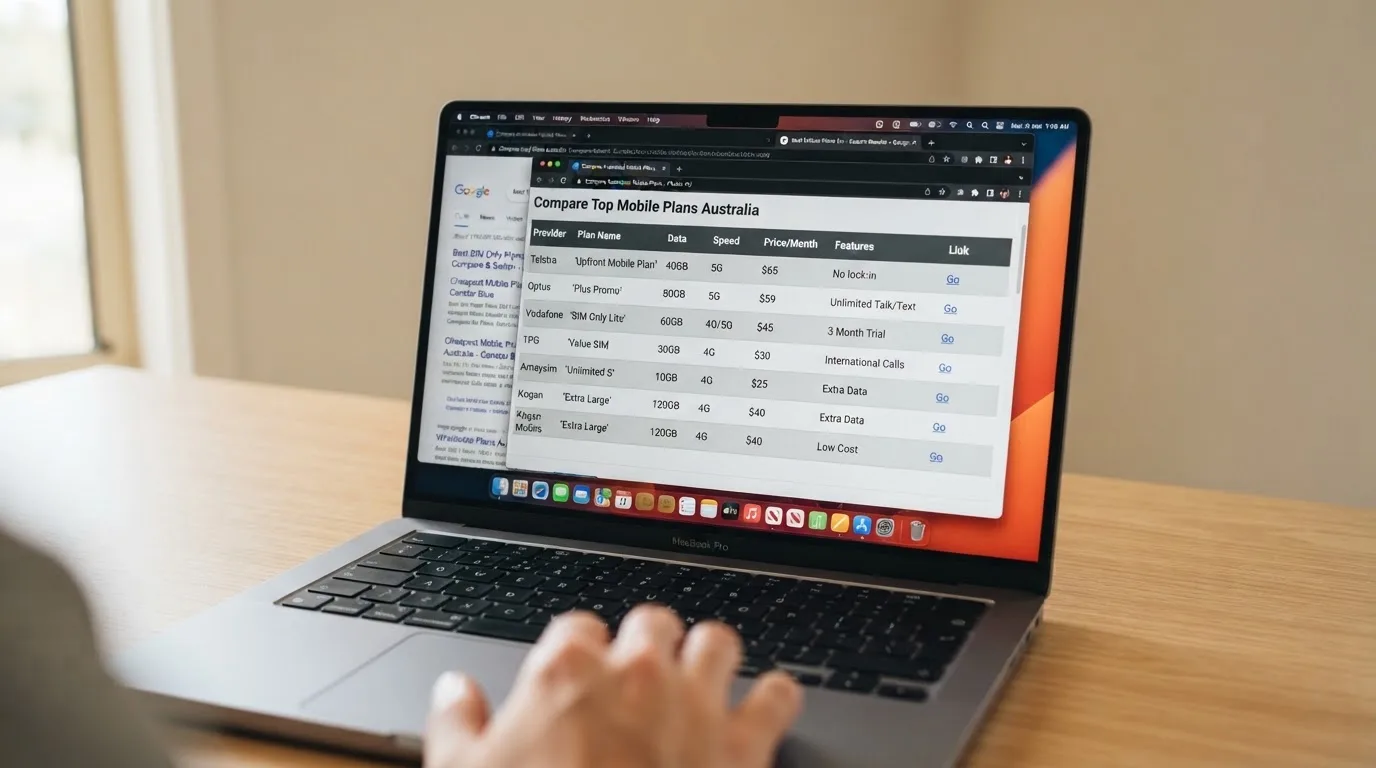
What changes from brand to brand is almost entirely cosmetic: a different logo, a different welcome package, a different themed layout. The plumbing is the same. Neteller deposits land in roughly the same window. Neteller withdrawals go through the same internal review before settlement. KYC checks hit the same point of friction. The house edge on the pokies-style games these sites carry is set by the studios, not by the operator, and the popular titles are the popular titles across all of them.
Neteller itself, as the wallet in the middle of that flow, has a history worth knowing before a reader clicks deposit. Neteller was founded in 1999, originally headquartered in Canada before relocating to the Isle of Man in 2004; it is now owned by Paysafe Group, alongside Skrill and paysafecard. That ownership matters because Paysafe is authorised by the UK Financial Conduct Authority as an Electronic Money Institution and is required to keep customer funds in trust accounts separate from its own operating cash, sufficient to repay all user balances at once. Neteller was not always in that position: the service exited the US market around 2007 due to US online-gambling legal restrictions, restricting American user accounts and only releasing their funds after 30 July 2007. The Australian market is in a different legal place from that, but the precedent — a wallet being forced to freeze or release balances as a jurisdiction closes — is the relevant one. Neteller the company survives. Neteller the balance inside a closed jurisdiction does not.
The blanket prohibition every offshore casino site sits inside
The Interactive Gambling Act 2001, strengthened by the Interactive Gambling Amendment Act 2017, makes it an offence to provide online casino games, online pokies or in-play betting to a person in Australia. No state or territory licenses online casino games. What is licensable is wagering on races and sport placed before the event, lotteries and keno — and the practical licensing body for that narrow set is the Northern Territory Racing and Wagering Commission, which regulates 52 of Australia’s online bookmakers (including Sportsbet, Bet365 and Ladbrokes) for tax reasons. The commission has no full-time staff and meets once a month in Darwin. Online casino games, the product these offshore brands sell, are not on its list and are not on any Australian list.

The enforcement picture is not theoretical. According to the ACMA, a total of 1,751 illegal gambling and affiliate marketing websites had been blocked since the first blocking request in November 2019, and more than 230 unlicensed gambling services had left the Australian market since enforcement was strengthened in 2017. In a single round reported on 26 June 2026 the ACMA asked Australian internet service providers to block 12 more: 7Signs, ChromaBet, Donbet, Duospin, Freshbet, Slots Gem, Jacks Club, Lucky Start, Pointsbetz, Spinrise, Vinyl Casino and Wildsino. The blocking list is the regulator’s answer to the “is this site OK” question. A site on it is not.
H2 Gambling Capital’s 2025 report estimates that Australians lose about A$3.9 billion a year to illegal gambling sites, and that the share of gambling going through legal channels fell from 74% in 2021 to 64%. That trajectory is the one the ACMA is trying to reverse with its blocking programme, and it is the trajectory a reader using any of these sites is contributing to. A reader does not need to know the precise figure to understand it; A$3.9 billion is roughly A$1,500 for every adult in the country, and 64% legal share means more than a third of the total is going through channels the regulator considers prohibited.
The legal exposure sits with the provider, not the player. The individual Australian punter is not prosecuted for using an offshore casino. What they do not get is anything they would get from an Australian-licensed operator: no Australian consumer protection, no complaints body, no recourse if a withdrawal is refused, and no guarantee the site will still be reachable next week. A blocked site can sit on a balance still owed to a player, and that balance is exactly the kind of loss the regulator’s figures are made of.
Responsible gaming and what the offshore route does not include
BetStop, the National Self-Exclusion Register, has been live since August 2023. It binds Australian-licensed online and phone wagering services, which is the narrow set the IGA permits. An offshore casino is not connected to it, so registering with BetStop does not exclude a player from any of the brands on this page. That single fact is the one most worth sitting with before any other safety claim an offshore operator makes is read.
The National Gambling Helpline at 1800 858 858 is free, runs 24/7 and has chat at Gambling Help Online. Those services are Australian, are independent of any casino brand, and exist to be used. Anyone who has signed up with BetStop and finds themselves moving funds into an offshore casino has, in plain terms, moved outside the system they signed up to use. The helpline is still there.
Minimum age is 18. That age limit is enforced at the licensed-operator level. Offshore sites do their own age verification, with their own rules, and the verification a player passes on one offshore site does not transfer to another.
The credit-card ban that took effect on 11 June 2024 makes it illegal for an Australian-licensed online wagering service to accept credit cards or other credit-related products, with penalties up to A$247,500 for operators. The rule constrains gambling use of linked digital wallets like Apple Pay as well, because a wallet funding a credit-funded transaction is still a credit-funded transaction. The ban does not touch offshore brands, which is why those brands keep accepting cards an Australian-licensed bookmaker would refuse. The ban does mean an Australian punter using a credit card at an offshore site is doing something the licensed market has decided it should not be able to do at home, while doing it somewhere the licensed market’s protections do not follow.
Payments and payout speed at a Neteller offshore casino
What a Neteller deposit looks like
The mechanics at the cashier page are uniform across the sites on this page. A player opens the cashier, selects Neteller, enters the deposit amount, and is redirected to a Neteller login. The deposit is authorised through Neteller’s own authentication, and the funds land in the casino balance within seconds. Minimum deposits vary by brand but cluster at A$10 to A$20 for the entry tier; this is the floor a player with a small bankroll is most likely to meet. There is no Australian-specific deposit minimum. The casino’s own floor is the floor.
Neteller’s published fee schedule lists most deposit methods at a 2.5% fee. That is the fee Neteller charges the wallet-holder, not the casino. A A$100 deposit costs the player A$2.50 in Neteller’s fee, on top of whatever the casino’s own minimum-deposit rule requires. A 4.49% currency-conversion fee is applied whenever a transaction needs converting to another currency, which catches any player depositing in Australian dollars into a casino account held in euros or US dollars. The conversion is silent at the cashier page. The cost shows on the Neteller receipt.
Neteller also charges a monthly inactivity service fee of USD 5.00 (or the local-currency equivalent), deducted from an account’s available funds if the account stays inactive. For a player who funds a Neteller account, deposits, and then stops using it, the balance quietly shrinks by a dollar-denominated amount every month until the account is empty or the player logs back in.
What a Neteller withdrawal looks like
A Neteller withdrawal request still needs a casino’s own manual checks completed before the settlement lands back in an Australian account. The “instant” reputation Neteller has at the cashier page applies only to the second leg: once the casino releases the funds, the Neteller side is fast. The first leg, the casino’s own review, is not in Neteller’s control and is the part most likely to stall.
That review is where KYC documents get re-checked, where the original deposit method is verified against the casino’s anti-money-laundering policy, and where any bonus terms get enforced. A withdrawal while a bonus is still active is normally refused; a withdrawal to a wallet different from the original deposit is normally refused; a withdrawal before a turnover requirement is met is normally refused. None of these refusals is fast, because the manual review is the bottleneck, not the payment rail.
Bank-transfer withdrawals from Neteller cost 1.75% with a minimum fee of USD 3.50, charged on top of any currency conversion. The minimum matters more than the percentage for small withdrawals: a A$50 withdrawal at 1.75% would be A$0.88, but the USD 3.50 floor lifts it to roughly A$5.30, more than 10% of the original amount. For a player cashing out a small balance, the fixed component is the part that hurts.
AUSTRAC registration of the wallet itself
Under Australia’s AML/CTF Act, a remittance or e-wallet service such as Neteller that provides services to Australian customers must register with AUSTRAC as a remittance service provider; providing such services unregistered is against the law. Neteller’s AUSTRAC registration is in place. The point of the rule is that the wallet is not in a regulatory void — the wallet has its own obligations to the Australian framework. The offshore casino on the other end of the transaction has none.
PayID and what it is not
PayID-based instant transfers are available at over 100 Australian financial institutions, and more than 25 million PayID identifiers had been registered on Australia’s New Payments Platform as of April 2025. Paying to a PayID shows the name of the account holder before the transfer is sent; AP+ warns that being asked to transfer money to a PayID on an illegal gambling site almost certainly means a scam site. That warning is the reason PayID does not appear as a deposit option at the offshore casinos on this page: those sites cannot pass the name-check that a PayID payment requires without exposing who they are. The offshore route defaults to wallets precisely because wallets hide the destination.
With Osko, a bank transfer between participating Australian banks arrives in under a minute, 24/7 including weekends, whether it is addressed to a BSB and account number or to a PayID. Australia’s New Payments Platform became accessible to the public on 13 February 2018 and is owned by New Payments Platform Australia Ltd, a non-profit company whose 13 shareholders include the Reserve Bank of Australia and the country’s major banks. Participants in Australia’s New Payments Platform must keep the platform’s monthly outages to no more than two minutes; in 2021 the ACCC authorised merging NPP Australia with BPAY and eftpos into a single company, Australian Payments Plus.
The contrast with Neteller at an offshore casino is not that Neteller is slower. It is faster, in many cases. The contrast is that Osko and PayID are Australian rails for Australian-licensed products, and Neteller at an offshore casino is the rail for the products the Australian rails refuse to serve. The speed comparison a reader is invited to make — “Neteller is faster than a bank transfer” — is true in isolation and irrelevant in context. The licensed bookmakers take PayID and Osko. The offshore casinos take Neteller. The two sets do not overlap.
Gambling blocks at the bank level
Westpac’s gambling block works at card level: it refuses authorisation of transactions registered under the merchant category code ‘Betting/Casino Gambling’ on eligible personal credit and debit cards. ANZ’s gambling transaction block, activated in the ANZ app, also blocks gambling transactions made through a digital wallet such as Apple Pay on an eligible card, not just the physical card. Once a customer turns on ANZ’s gambling block, removing it again requires a 48-hour waiting period, and the bank warns that not all gambling transactions will be blocked and some non-gambling transactions might be blocked in error.
These blocks are why some players end up at Neteller in the first place. A card transaction at an offshore casino may be declined by the issuing bank under a gambling block, and the player’s response is to find a payment method the block does not catch. Neteller is one such method, because the wallet-to-wallet transfer does not carry the same merchant code as the card transaction that funded it. The block protects the player; the route around it routes around the protection.
By the end of 2025, Apple Pay, Google Pay and Samsung Pay transactions collectively accounted for around 45% of all card payments in Australia by number. Apple does not charge fees to consumers for using Apple Pay in stores, online or in apps; any surcharge comes from the merchant’s own card-processing fees, not from Apple. Apple states that transaction limits and PIN requirements for Apple Pay purchases are set by the card issuer or merchant, not by Apple itself. The wallets are now mainstream enough that the bank-level gambling block is the only thing standing between a digital wallet and an offshore casino deposit, and the bank-level block is exactly what some players are trying to bypass when they switch to Neteller.
AUSTRAC’s threshold-transaction-report rule, which requires reporting of transfers of A$10,000 or more, applies only to physical cash; ordinary electronic bank transfers are not subject to that per-transaction reporting requirement, regardless of the amount sent. The threshold is a useful figure to know, because a player worried about a large Neteller transfer being flagged is worrying about a rule that does not apply to the transfer they are making.
Fees at a glance
| Method | Who charges the fee | When it bites |
|---|---|---|
| Neteller deposit | Neteller | 2.5% on most methods; 4.49% on currency conversion |
| Neteller inactivity | Neteller | USD 5.00 per month after inactivity |
| Neteller withdrawal to bank | Neteller | 1.75% with USD 3.50 minimum |
| Osko / PayID | The bank or none | Free at most retail banks; A$0.25 cap at some |
| Apple Pay | The merchant’s acquirer | Not Apple; surcharge banned under the RBA’s proposed reform for eftpos/Mastercard/Visa but not American Express |
The Reserve Bank of Australia’s July 2025 review proposes removing surcharges only on eftpos, Mastercard and Visa card transactions, explicitly leaving American Express outside the scope of the proposed surcharge ban. American Express was established in 1850 as a freight-forwarding company and later became a card issuer, launching its first charge card on 1 October 1958; unlike Visa or Mastercard’s four-party network, Amex traditionally issues cards and processes transactions itself as a three-party scheme. The carve-out matters because a player using Amex at any of the casinos on this page pays whatever surcharge the merchant’s own processing agreement allows, and that surcharge is currently unregulated by the proposed reform.
Neteller-accepting casinos named by the ACMA in 2026
What follows is not a ranking and not a recommendation. Every brand below appears here because the ACMA has issued a formal warning over it for offering prohibited online casino services to Australians. The page describes them so a reader who recognises a name from an ad or a search result can see what the regulator has already said about it. None of them may lawfully serve an Australian resident. None of the bonus offers on their marketing pages is something this page will quote or paraphrase, because the only sources for those offers are affiliate pages the operators pay to rank.
| Brand | ACMA action and date | Operator named by the ACMA | Subject support |
|---|---|---|---|
| RocketPlay | Formal warning March 2026; earlier Dama N.V. warning May 2022 | Pulsup Ltd (RocketPlay) | — |
| Level Up Casino | Formal warning May 2022 | Dama N.V. | Listings cite Westpac’s gambling block |
| Woo Casino | Formal warning March 2025 | Dama N.V. | — |
| Spirit Casino | Formal warning May 2025 | Dama N.V. | — |
| National Casino | Formal warning July 2025 | Consolutetish S.R.L. | Listings cite AUSTRAC and Wikipedia entries |
| Bizzo Casino | Formal warning July 2025; earlier TechSolutions warning 2022 | Consolutetish S.R.L. | — |
| Ignition Casino | Formal warning July 2025 | Bamboo Media | — |
| Instant Casino | Formal warning February 2025 | EOD Code SRL | Listings cite ecoPayz and PayID |
| Jackbit | Formal warning April 2026 | Ryker B.V. | — |
| Casino Intense | Formal warning April 2025 | Sterplay Holding Ltd | Listings cite AUSTRAC, ITNews and NAB |
| Sky Crown | Formal warning (Hollycorn N.V., September 2022) | Hollycorn N.V. | — |
The “Subject support” column records where public listings mention Neteller alongside the brand. Where the cell is a dash, the research found no listing carrying that pairing; the absence means nothing about whether the brand’s cashier page lists Neteller, because cashier pages are precisely the part of these sites the ACMA has acted against. A dash means “the research found no listing to confirm or deny”; it does not mean the wallet is unavailable, and it does not mean the wallet is available. The reader should treat the brand’s own cashier page as the only current source for that detail, and the brand as one the regulator has already told to stop offering its product to Australians.
RocketPlay
The ACMA issued a formal warning to Pulsup Ltd over RocketPlay in March 2026, and RocketPlay had earlier been named in a May 2022 formal warning to Dama N.V. covering six casino brands. The brand carries the prohibition in its title: online casino games cannot be licensed anywhere in Australia, whatever licence the site displays, and the ACMA has now told two of the companies that have tried to operate it to stop. A reader who arrived at RocketPlay via an ad is, in practical terms, choosing between a brand the regulator has warned twice and the licensed alternatives the regulator permits, and the second option is what the regulator has been blocking the first one to push players toward.
Level Up Casino
Level Up Casino was one of the six Dama N.V. brands named in the May 2022 formal warning. Westpac’s gambling block page is among the listings that pair Level Up with a Neteller reference, which is the kind of pairing that should be read carefully: it confirms the wallet is one route a player might try, and it confirms the bank is one institution that has decided to refuse the route. A reader who can route around Westpac’s block through Neteller is not, by doing so, finding a path Westpac did not intend to leave closed; they are using the wallet precisely because the card path is closed, and the wallet works for the same reason the card does not.
Woo Casino
Woo Casino was named in a March 2025 formal warning to Dama N.V., the second time in three years Dama N.V. had been told over the same prohibited product. The repeated warnings matter because they describe a pattern, not an accident: the operator has been informed of the prohibition, has continued, and has been informed again.
Spirit Casino
Spirit Casino was named alongside Woo Casino in the May 2025 formal warning to Dama N.V. The two warnings together cover four of the eleven brands on this page. The Dama N.V. footprint in the ACMA’s register is large enough that any new brand from the same operator should be treated as already informed of the prohibition before it launches.
National Casino
National Casino was named in a July 2025 formal warning to Consolutetish S.R.L. The warning was paired with one for Bizzo Casino; both share an operator. Listings referencing National Casino name AUSTRAC and the Wikipedia entry for the relevant framework, which are the public-record sources a reader should use to check what the regulator has on file rather than what the brand’s own marketing says.
Bizzo Casino
Bizzo Casino was named in the same July 2025 formal warning to Consolutetish S.R.L., and had already been the subject of a 2022 formal warning to TechSolutions (CY) Group Limited and TechSolutions Group N.V. Two operators, two warnings, the same prohibited product — Bizzo has been told twice that what it is selling to Australians is illegal.
Ignition Casino
Ignition Casino was named in the July 2025 formal warning to Bamboo Media. The brand’s name recurs across affiliate pages for AU-facing casino traffic despite the ACMA having formally warned its operator over offering the prohibited product to Australian residents.
Instant Casino
Instant Casino was named in the February 2025 formal warning to EOD Code SRL. Listings pairing Instant Casino with Neteller also reference ecoPayz and PayID; the PayID reference is the one worth pausing on, because PayID shows the recipient name before the transfer is sent, and AP+ has flagged that being asked to pay a PayID registered to an illegal gambling site is a near-certain indicator of a scam. If Instant Casino’s cashier page is asking for a PayID transfer rather than a wallet transfer, the warning applies directly.
Jackbit
Jackbit was named in the April 2026 formal warning to Ryker B.V., alongside CasinOK. The warning is one of the more recent on the register and indicates the operator is among the ACMA’s current enforcement priorities.
Casino Intense
Casino Intense was named in the April 2025 formal warning to Sterplay Holding Ltd. Listings pairing Casino Intense with Neteller reference AUSTRAC, ITNews and NAB; the AUSTRAC reference is to the remittance-provider registration framework that applies to the wallet itself, not to the casino. The NAB reference is to a bank that, like Westpac and ANZ, runs a gambling block on its cards.
Sky Crown
Sky Crown was named in the ACMA’s formal warning to Hollycorn N.V., alongside Blue Leo. The warning was issued in September 2022, making it one of the older entries on the register, but the prohibition it describes has not changed.
The scale of what the ACMA has done
The page names eleven brands. The ACMA’s register covers many more. Across 2022 to 2026 the regulator has issued formal warnings covering at least Dama N.V. (May 2022, March 2025, May 2025), TechSolutions (2022), Hollycorn N.V. (September 2022), EOD Code SRL (February 2025), Sterplay Holding Ltd (April 2025), Bamboo Media and Consolutetish S.R.L. (July 2025), and Ryker B.V. and Pulsup Ltd (April and March 2026). The pattern is not a single bad-actor story; it is a market in which a handful of operators account for a large share of the brands an Australian-facing search returns, and the regulator has been telling each of them, in turn, that the product is prohibited.
The blocking programme is the parallel measure. Since the first blocking request in November 2019, the ACMA has directed Australian ISPs to block 1,751 illegal gambling and affiliate marketing websites, and 230 unlicensed gambling services have left the Australian market since enforcement was strengthened in 2017. A reader who cannot find a brand named in the table above today may find it on the blocked list tomorrow, or find it replaced by a new skin from the same operator. The skin changes; the prohibition does not.
The blocking rate and what it means in practice
The ACMA’s first blocking request was issued in November 2019. By 26 June 2026, the running total of blocked illegal gambling and affiliate marketing websites stood at 1,751. The arithmetic is straightforward and the conclusion it earns is the reality of the market.
Over the 80 months from November 2019 to June 2026, the regulator has added an average of roughly 21.9 blocked sites per month to the list, with the rate varying widely from month to month as enforcement rounds cluster around specific operators and themes. The 12-site round reported on 26 June 2026 alone is more than half the monthly average; a single round can move the long-run figure by months. The single number worth carrying from the arithmetic is that, under the current programme, an Australian-facing casino brand that is not yet on the list is more likely than not to be on it within a few years, and a balance held at such a brand is a balance held against that probability.
The blocking rate is not a forecast for any specific brand. It is the rate at which the regulator is removing the supply a reader would otherwise choose from. The faster the rate, the shorter the expected useful life of any brand the reader might pick today.
The 2026 reform and what it does not change yet
The Interactive Gambling Amendment (Gambling Reform) Bill 2026 passed Parliament on 19 August 2026. Its advertising and inducement measures commence 1 January 2027. The bill is law with a start date; it is not yet in force on a 2026 page. The reason this matters for an offshore-casino reader is that the advertising measures target inducements — the welcome bonuses, the matched deposits, the free spins — that bring Australian players to offshore sites in the first place. When those measures commence, the marketing surface that introduces readers to the brands on this page will shrink; the brands themselves are still prohibited and are still liable to be blocked.
Tax is not part of the reform. Gambling winnings of a recreational player are not assessable income (section 6-5 ITAA 1997) and losses are not deductible, unless the person carries on a business of gambling. The rule is unchanged. Any reader told that “winnings are tax-free” at an offshore casino has been told something that is technically true and irrelevant — the offshore casino is not where the tax question arises, because the offshore casino is not the operator the ATO recognises. The ATO position is a model only: check with the ATO.
What a reader comparing options should weigh
A reader who has reached this page has, in nearly every case, already decided that the licensed alternatives are not what they want. The reasons vary — sports betting is licensed but online pokies are not, and the product on this page is online pokies; the licensed bookmakers take PayID and Osko but not Neteller, and the wallet is the reason the search started. The reasons are real, and the page does not dismiss them. What the page does is lay out what those reasons cost in the offshore market they lead to.
The cost is not the deposit fee. It is the position the reader is in once the deposit has cleared: outside the Australian consumer-protection framework, outside BetStop, outside the bank gambling blocks by design, holding a balance at an operator the regulator has told to stop, on a brand the regulator may block next month. The wallet works. The casino works. The combination is exactly the combination the regulator is trying to interrupt, and the interruption can take the form of a blocked site with the balance still on it.
The licensed alternative for wagering is the Northern Territory-licensed bookmakers. The licensed alternative for casino-style play does not exist online. The licensed alternative for the pokies themselves is a land-based casino or a state-regulated club or pub machine. None of those accept Neteller. None of them need to.
Closing the loop
Neteller at an offshore casino is fast, cheap at the deposit, and immediate at the cashier. The wallet is authorised, regulated, and AUSTRAC-registered. None of that changes the legal status of what it is paying for. The Interactive Gambling Act 2001 prohibits the supply of online casino games to Australians; the ACMA enforces the prohibition with formal warnings and a blocking programme that has removed 1,751 sites since November 2019; every brand on this page has been the subject of at least one formal warning; the regulator has named the operating companies behind most of them. The deposit fee is a small number. The position it puts the reader in is not.
The reader who decides the position is worth the fee knows what they are choosing. The reader who has not yet been told the position exists has, in most cases, been told the wrong thing first, by an affiliate page whose business model depends on the click. This page exists to put the position on the table before the click. What the reader does with it is the reader’s call.
Frequently asked questions about Neteller at Australian casinos in 2026
Is it legal for an online casino to accept Neteller from a player in Australia?
No. Under the Interactive Gambling Act 2001 as amended in 2017, no online casino game may be supplied to a person in Australia, regardless of the payment method used. The Neteller transaction is a financial transaction; the prohibition is on the supply of the game. The player is not prosecuted, but the operator is, and a blocked site can leave a balance stranded.
What is the smallest deposit a Neteller casino site usually asks for?
Most Neteller-accepting offshore casinos on this market set their minimum deposit somewhere between A$10 and A$20 for the entry tier. The exact figure is set by the casino, not by Neteller. Neteller’s own minimum is governed by its fee schedule, not by a deposit floor.
Does a Neteller withdrawal clear any faster than a card withdrawal at these sites?
The Neteller leg is faster once the casino releases the funds. The bottleneck is the casino’s own manual review, which runs the same way regardless of the withdrawal method. A Neteller withdrawal is faster than a card withdrawal only in the second leg, and only if the casino does not hold the request.
Can Neteller be used at every offshore pokies-style site, or only some of them?
Neteller is one of the most widely listed wallets on offshore casino cashier pages, but not every site lists it, and listings change without notice. The research found no listings for several of the brands on this page; that does not mean the wallet is unavailable, only that no current public listing confirms it. The casino’s own cashier page is the only source for the current answer.
Does depositing with Neteller add an extra fee at these casino sites?
Neteller charges the wallet-holder a 2.5% fee on most deposit methods, plus a 4.49% fee when the transaction requires currency conversion. The casino does not add a Neteller-specific fee at most sites. The combined cost is the wallet’s fee plus whatever the casino’s own minimum deposit requires, and the conversion fee is the line that surprises players depositing in Australian dollars into a euro- or dollar-denominated account.
What should a player do if a Neteller deposit does not appear in a casino account?
The first check is the Neteller transaction confirmation, which records whether the wallet authorised the payment. If the wallet authorised it but the casino balance did not update, the casino’s own support is the next stop; the most common cause is a mismatch between the Neteller account name and the casino account name. A player who cannot reach the casino, or whose balance does not appear after support has confirmed the receipt, is in the position the offshore market leaves every player in: without an Australian complaints body to escalate to.